alternative health

Saturday, February 3, 2007

How to Get Rid of Stretch Marks

Treatment for Stretch Marks
by: Elizabeth Walling


Stretch marks can be a frustrating problem for people who have them. Whether you just have a few stretch marks around your stomach or you’re plagued with these unsightly marks in many places, most likely you are looking for a way to get rid of them.

Stretch marks are caused when the collagen under the skin is damaged. This can happen through the rapid gain of fat or muscle in one area. These marks start as red lines and then fade to whitish scars over time. Because stretch marks are the result of advanced damage to the collagen, it is very difficult to reduce their appearance. It is best to try to avoid developing stretch marks by controlling the pace at which you gain weight or build your muscles.

Many creams and oils are specially designed to reduce the appearance of stretch marks and can be bought over the counter at your local store. These products can help your skin become firmer and more supple, and may help reduce the appearance of some surface stretch marks. Vitamin E oil and cocoa butter are commonly used to treat stretch marks. These products can be massaged into the skin twice a day or more. It is best to start using a cream or oil as soon as you notice stretch marks forming. The sooner marks are treated, the more likely it is that treatment will be successful.

Prescription creams are also available for the treatment of stretch marks. These may be very successful on mild stretch marks and may improve the appearance of deeper stretch marks as well. Retin-A cream is commonly used to reduce the redness in new stretch marks and may help prevent prominent scarring. However, Retin-A can only be used on newer stretch marks that are still red or pink, typically less than one year old.

The most successful treatment of stretch marks is cosmetic laser surgery. Laser treatment is by far the most expensive method available, running well into the thousands of dollars when there is a large treatment area. However, laser surgery is also the best way to achieve results when trying to remove stretch marks. This method can be used on deeper and older stretch marks in addition to newer marks. Laser treatment removes, vaporizes, and breaks down the skin’s tissues. Successful laser surgery depends on the result of a series of treatments over several weeks. Usually between six and eight treatments are needed to see results. Although laser surgery is generally the most effective treatment for stretch marks, this method still may be ineffective for some people. It is important to decide if you can afford such surgery even if it does not provide the results you desire.

It is important to remember that damage to the deep fibers of the skin is difficult and sometimes impossible to repair. That is why it is best to always try to prevent stretch marks before they happen. You can do this by monitoring your weight gain and muscle building closely. A healthy diet rich in vitamins, minerals, and water will also aid in preventing stretch marks.

Labels: , , , ,

Dry Skin Care


Dealing with Skin Dryness
by: Tania


Dry skin has a parched look caused by its lack of ability to retain moisture. Characteristics of dry skin are fine pores, dryness, fine lines, roughness, tight, uncomfortable feeling, and dull appearance. If your skin feels the same, it's a fair bet you've got a dry complexion.

Dry skin is caused by too little sebum in the lower levels of skin and too little moisture in the upper levels. It feels tight and itchy after washing. It requires soothing care to look its best. It is essential to take proper care to hydrate it. Only then you can begin to enjoy a new, softer skin.

Dry skin is very reactive to the environment and hates extremes of cold, heat and wind. It tends to peel and has a tendency to premature aging with the emergence of fine lines and wrinkles. There is a difference between a dehydrated skin and a dry skin. While the dehydrated skin is simply thirsty, dry skin needs extra care in adapting a beauty regime to nourish the weakened corneal layer. While dealing with dry skin, your objective should always be to restore tone to the lipids in the corneal layer.

Every dermatologist's advice: you must cleanse according to your skin type. Dry skin must be cleansed without removing the skin's protective film. So you should opt for a thick milk cleanser and rinse with flower water. Your moisturizing cream should be rich in repairing agents containing ceramides, which reduce the salt content and slow down the evaporation of water in the skin.

Face masks for dry skin:

1. Mix 2 tablespoons honey with 2 teaspoons milk. Smooth over face and throat. Leave on for 10 minutes. Rinse off with warm water.

2. Mash apricots, mix it with warm olive oil to form a paste. Apply it on your face and leave it for 10 minutes, then wash off.

Some helpful tips for dealing with dry skin:
1. Drink one and half liter of water every day to retain the hydration rate of your skin cells. Also, it benefits your overall health.

2. Maximize the effects of hydration by adding the essential oil, angelica, to your day and night creams.

3. Make sure to abandon water-based cleansers.

4. Try iris flower, as it is excellent for retaining moisture in the skin.

5. Always opt for creams with ceramides.

6. Eat a balanced diet including fresh fruits and vegetables.

7. Stay away from soft drinks, sugar and other junk foods.

Homemade solutions for dry, flaky skin:
1. Place a sprinkling of sugar in your palm and dampen with water. Gently massage on the flaky areas. Rinse.

2. Rub half of an apple on skin to help even out the texture.

About The Author:
Visit Tania’s website at http://www.ultimate-cosmetics.com for makeup and beauty tips, and information on skin care and skin disorders.

OTHER RESOURCES:

Dry Skin
Dry skin has a low level of sebum and can be prone to sensitivity. The skin has a parched look caused by its inability to retain moisture. It usually feels "tight" and uncomfortable after washing unless some type of moisturizer or skin cream is applied. Chapping and cracking are signs of extremely dry, dehydrated skin. Dryness is exacerbated by wind, extremes of temperature and air-conditioning, all of which cause the skin to flake, chap and feel tight. This type of skin is tightly drawn over bones. It looks dull, especially on the cheeks and around the eyes. There may be tiny expression lines on these spots and at the comers of the mouth. Read more…
Dry Skin (Xerosis)
Dry skin, also called xerosis, is a common problem. Your skin needs moisture to stay smooth and supple, and retaining moisture is especially difficult in winter. Central heating of home and other buildings is very drying to the skin. Simple daily routines, such as bathing and towel drying, may actually remove moisture from the skin. Modifying your bathing routine will help preserve your skin's moisture. Bathing provides the skin will moisturize temporarily, but it removes the skin's oily lipid layer and in the long run causes more moisture loss than gain. Read more…

Labels: , , , , ,

Anti-Aging Treatments Will Keep Your Skin Looking Fantastic


by: Scott Gray


We can’t stop time from marching on, but we can stop it from marching all over us, or can encourage it to march with lighter steps at least. With anti-aging treatments, the progress of aging will slow to the extent that you will feel younger and look younger.

The Years Take Their Toll

As we age, our blood no longer circulates as quickly or as well, and our skin dehydrates; the production of collagen slows and our skin becomes less elastic. Years of exposure to the sun and harsh elements helps create lines, wrinkles, spots, and broken blood vessels; hormone production decreases with time and skin becomes thinner and duller, and pores enlarge. The pull of gravity causes aging skin to droop around the mouth and eyes, and the chin begins to sag. We produce fewer melanocytes as we grow older, which means our skin pigmentation changes, and skin color fades or becomes blotchy. Our bodies become less flexible and we become stiff and less active.

Start Anti-Aging Treatments from the Inside


A balanced diet helps us receive the nutrition necessary for good health, which is reflected in thicker, shinier hair, clearer, healthier skin, and increased energy, all of which helps us look and feel younger. Choose foods from all the food groups to ensure that you are receiving at least minimum amounts of carbohydrates, proteins, fats, vitamins and minerals necessary for good health. We have an increased need for particular nutritional elements as we age and at various stages in life, and when we have specific health concerns. We also know that soil in which fruits and vegetables are grown is often depleted in nutrients, and more nutrients are lost in food processing, handling, and cooking. Fortunately, this doesn’t mean you have to find a plot of land and grow your own produce, nor do you have to chew your way through raw food every day, and, yes, you can treat yourself to fast food and processed food now and then. The solution is to take anti-aging supplements.

Your primary anti-aging supplement should be a multivitamin, and you can add individual supplements as needed. Choose a multivitamin formulation suitable for your age and sex that includes an antioxidant or two, such as vitamins C and E, to protect your skin and vital organs from free radicals. B vitamins are important for healthy hair, skin, and gums; calcium and magnesium protect against osteoporosis; and vitamin A against cancer, stroke, and heart disease. Since collagen is the cellular glue in the fibers that support the outer layer of skin, as well as the main protein in bones, cartilage and connective tissue, adding a collagen supplement makes a lot of sense, too. For best results, take your supplements with meals as they work synergistically with other nutrients.

Don’t forget the importance of water. Drink it — lots of it — at least eight glasses a day.

Exercise is one of the most important elements in your arsenal of daily anti-aging treatments. Get out of that chair, tear yourself away from the television set and start moving. Walking is an easy and beneficial form of exercise, and doesn’t require any special clothing or equipment. Go for it!

Cleanse and Moisturize Skin with Anti-Aging Skin Care Products

Anti-aging skin care products include cleansers and exfoliates that will help keep your skin scrupulously clean. Gently remove your eye makeup and then your face makeup with an oil-based cream or milk lotion before washing your face. Forget the harsh soaps and cleansers and the hot water. Use lukewarm water on your face and pat your skin dry rather than rub it. For extra-deep cleansing, use an exfoliate or a cleansing mask weekly, or if your skin is very sensitive, monthly.

After cleansing, use a toner or a skin firming product and then apply a moisturizer of which there are two types. One is the group of humecants such as glycerin, sorbitol, lactic acid, and urea, which attract and hold moisture; the other is the family of emollients such as petroleum jelly, lanolin, and mineral oil that form barriers to seal in moisture. Both are effective, and you will have to experiment to discover which type you prefer and works best for you. Use a light, easily absorbed moisturizer during the day, and apply a heavier moisturizer at night.

You can find cleansers, toners, and moisturizers designed for oily, dry, and combination skin. Over-active oil glands can cause acne to erupt at various ages, and your skin will become drier with age. Select skin care products suitable for your skin type.

Apart from a toner and the essential moisturizer, you should use anti-aging products designed specifically to lighten age spots, to protect the tender skin under the eyes, to treat dry lips, and to manage acne and blemishes. If you would like to reduce wrinkles, alpha hydroxy acids and Retin A are the modern miracle treatments and they can be prescribed by your doctor.

Whatever cleansing, moisturizing, or problem-solving skincare products you use, if you forget your sunscreen, it is all a waste of money and effort. Skin has no greater enemy than the sun — protect it well from those harmful rays. Use a sunscreen with a minimum of SPF 15, and slap it on summer and winter, on sunny days and under heavy cloud cover. Those damaging rays can reach right through the clouds and find your unprotected skin. Don’t forget to put sunscreen on your lips, too.

Choose Anti-Aging Products When Buying Makeup

People use makeup to enhance their best features and to conceal flaws, such as blemishes and scars. If you wear makeup, choose products compatible with your anti-aging treatments. There are cosmetics designed for people with blonde, brunette, red, or gray hair, and skin tones that range from very pale to black. Many are created specifically for oily, dry, and combination skin. Read labels and shop carefully to receive the benefits of these particular anti-aging treatments. Their use will help you look younger and help protect your skin. There is makeup for long-term use and for emergency fix-ups. It is wonderful to have products on hand that will conceal under-eye dark circles or puffiness, as well as pimples and broken capillaries when these misfortunes strike.

Anti-Aging Treatments Are Simple to Implement:

*Eat balanced meals and drink lots of water;
*Add supplements to your diet;
*Exercise;
*Cleanse, moisturize, and protect your skin;
*Choose makeup that reinforces your anti-aging treatments.
When you look good, your confidence soars and you feel better about yourself. Anti-aging treatments are easy to implement at a very reasonable cost. You can buy all the products you need on the Internet, usually at a discount price. Compare costs online, order what you need, and have everything delivered to your home. Amaze yourself and others. Look younger and feel better. You can do it!

About The Author:

Scott Gray is currently a freelance writer and enjoys providing information and advice to online shoppers who are in who are in the market for anti aging treatments, acne options, and general skin care.

Labels: , , , , ,

Anti-Aging Skin Care


The aging of your skin may be inevitable. But why rush it? There are ways to slow down sagging and wrinkles. Using skin creams and treatments may already be a part of your daily grooming regimen. However, topical creams cannot be expected to work alone for full efficacy. The best way to start your anti-aging effort is on the inside.

First of all, are you drinking enough water? There are varying opinions about how much water an individual actually needs for good health, but the general consensus remains that you probably aren't drinking enough. If you're thirsty, your skin is thirsty too — which means dryness and wrinkles. Hydrate your skin by drinking water regularly.

Drink water . . . but avoid alcohol and soft drinks. The contents of these beverages — alcohol and caffeine — dehydrate skin, wreaking havoc on its structure. An acceptable alternative to water is green tea, which is low in caffeine (but enough for a pick-me-up). Green tea, as you probably already know, is loaded with antioxidants that destroy free radicals, which cause aging.

A multivitamin is always a good idea, but our bodies most easily absorb nutrients from food. Include plenty of fruits and vegetables in your diet. In addition to vitamins and minerals, you're fortifying your body with more antioxidants. Blueberries are one of nature's “super foods,” having one of the highest antioxidant values.

Exercise! Exercise helps keep us from aging by keeping weight down, working the heart, toning muscles, and getting the blood flowing (to the skin!). People who exercise look younger and feel younger. It's a most beneficial habit to get into.

People who look younger than their age repeatedly reveal one vital secret: getting enough sleep. If you aren't, find ways to work it in. Instead of sitting up in front of the television, turn it off at a reasonable time and take a book to bed. This quiet practice can lead to an easier time getting to sleep — sometimes the colors and movement of the television keep our brains working even after we've begun to relax.

You may feel that you don't have the time to take care of your skin, but keep in mind: by the time you do “have time,” it will be too late. The time to protect your skin is now! Years later, you'll be thanking yourself for it — and not only will you look younger, you'll feel younger too.

Copyright 2005 Remedium

ALSO ON THIS WEBSITE:Anti-Aging Treatments Will Keep Your Skin Looking FantasticWe can’t stop time from marching on, but we can stop it from marching all over us, or can encourage it to march with lighter steps at least. With anti-aging treatments, the progress of aging will slow to the extent that you will feel younger and look younger. Read more…

Labels: , , , , ,

Control Your Acne with Effective Acne Treatments

by: Scott Gray


Acne is not a problem confined to adolescence; in fact, more than sixty percent of the population is troubled with blackheads and pimples well beyond the teen years. If acne is your problem, cheer up. While there are no acne cures, with reliable acne treatments, including internal and external therapies, you can keep outbreaks controlled, reduce the possibility of scarring, and lessen that greasy, shiny look. It’s time to feel good about yourself again.

Causes of Acne

Acne has never been completely understood, but hormonal imbalances and heredity are certainly major factors, and breakouts can be aggravated by stress and lifestyle choices. The chief catalyst seems to be overactive sebaceous glands which secrete too much sebum, the lubricant that helps retain moisture and then becomes too much of a good thing. The oil clogs the pores of the skin causing breakouts, mostly on the face if it is adult acne, and on the face and sometimes on the back, chest, and upper arms in the teen years. Oily skin, pimples, blackheads, enlarged pores, and redness are acne symptoms, and these can be exacerbated by diet, pregnancy, birth control pills, cosmetics, and humidity.

Acne is not to be confused with rosacea, another facial skin condition which usually strikes in the middle years and causes blotchy red skin and small bumps, but rarely whiteheads or blackheads.

Your Diet Affects Your Skin

There is no scientific proof that certain foods, like chocolate or colas, can cause breakouts, but if something seems to act as a trigger for you, avoid whatever it is. Choose a healthy, balanced diet high in fiber and high in zinc, which means shellfish, nuts, egg yolks, and whole grains; and natural raw food rich in oxalic acid, such as almonds, cashews, and beets. The whole range of B vitamins will help keep your skin clear, and too little vitamin B2 can actually cause oily skin. B vitamins are found in wheat germ, Brewer’s yeast, organ meats, nuts, and beans. Remember that one of the functions of the skin is to eliminate toxins through perspiration. This means you should drink lots of water to flush out most toxins via the kidneys and the liver and keep your system clear. Water is also necessary to keeps your skin hydrated. A good diet encourages clear, healthy skin, and works as an anti aging treatment as well.

Supplements Can Assist with Acne Control

Food grown in nutrient-depleted soil will be lacking sufficient nutrients to optimize good health and healthy skin, and so it makes sense to add one or more supplements to your diet. Supplements are also useful if you eat a lot of processed food and occasionally feel the urge to gorge yourself on fast food. The best supplement is a multivitamin suitable for your age and sex, and then you can add zinc and possibly a B vitamin complex or Brewer’s yeast to help meet your special requirements. Evening primrose oil contains gamma-linolenic acid, an essential fatty acid which is known to benefit skin cells, and you might find it helpful to add this supplement as well.

Acne Skin Care is Needed Daily


Any acne treatment should begin with a common sense procedure such as cleansing the skin with a mild cleanser and lukewarm water. Avoid harsh cleansers and astringents, which make the oil glands more productive. An antibacterial astringent is perfect for wiping away excess oil between cleansings. Avoid squeezing and picking which can spread inflammation and cause acne scars, and use hot compresses and then an extractor for blackhead removal if needed. Antibacterial lotions that dry the skin, mild, pure soap, and a medicated cream is useful for treating oily, acne-prone skin. If you wear makeup, choose water-based acne products rather than oil-based products. Avoid anything that makes your skin feel tight and dry. If the upper layer of skin has been treated so harshly that it has become dry and shrunken, the flow of oil will be restricted and even more blockages and breakouts will occur.

Good Medical Options are Available for Acne Sufferers

A dermatologist should be consulted if your acne is severe, and this will give you access to tretinoin (Retin-A cream) or accutane for acute cases, both of which are available on prescription. You can also get prescriptions for a range of antibiotics in pill form, such as tetracycline, as well as antibiotic salves and creams. Effective over-the-counter acne treatments include topical salves and creams that contain benzoyl peroxide, or a five-percent solution of tea tree oil, or dimethylsulfoxide (DMSO). Blemishes can be dried up with a variety of acne products that contain salicylic acid, sulfur, or resorcinol.

More Useful Information and Advice

*Exercise is good for the skin since it increases circulation and blood flow, but when you are exercising, avoid wearing cosmetics or moisturizers, which keep perspiration from flowing freely and cause pores to clog. Sweatbands also hold perspiration and oil against the skin and shouldn’t be used.
*Keep your hair off your face so that you are not adding to your problems with scalp oil. Avoid using hair products that are oily or greasy for the same reason.
*Prolonged exposure to the sun or sunlamps might dry acne but can result in a whole host of new problems, such as damaged, leathery skin and skin cancer. There are better solutions.
*Use caution about taking saunas and steam baths as they may aggravate your acne condition. You can’t do much about heat and humidity — nature’s version of saunas and steam baths — but keeping your skin clean and removing excess oil frequently will assist in the prevention of breakouts.
*Remember that stress makes acne worse. Don’t let emotional upsets get under your skin, so to speak. Try meditation or relaxation techniques to prevent stress-induced breakouts. Your skin isn’t the only organ that will benefit.
Acne treatments are of vital importance to acne sufferers and can make a big difference in the lives of people who have to cope with this very real problem. Both internal and external acne remedies can be found on the Internet. Compare prices and brands, and place your order from the comfort of your home. Products are usually shipped the same day that you order. Shop with confidence online, and see an improvement in your appearance within days.

About The Author:
Scott Gray is currently a freelance writer and enjoys providing information and advice to online shoppers who are in the market for anti aging options, acne treatments, and general skin care.

Labels: , , , ,

Acne Treatment and Remedies

Remedies and Treatment Methodsto Relieve Acne
Article by: Dr. Edward F. Group III, DC, Ph.D, ND, DACBN

Acne can be caused by a number of factors. Common causes of acne include contact with an oily substance such as mineral oil, vegetable oil, or petroleum and the use of certain medication such as steroids or the contraceptive pill. However, acne is most often caused by the secretion of androgens, or sex hormones that are initially secreted at the onset of puberty. Androgens are male hormones but they are secreted by females as well. They stimulate the production of oil from the skin's oil glands. When these oil glands become overactive and the exit from the gland is blocked, oil builds up in the gland and they begin to swell. This is how acne forms. A bacteria called Propionibacterium acnes normally colonizes this swollen gland causing the development of inflammation and pus. In particularly severe cases, the glands may burst into the skin and produce cysts. Recently health practitioners are associating acne with a fungus on the face. A clogged colon can also contribute to acne. We recommend using a colon cleanser like Oxy-Powder to keep the bowel clean.

How Can I Cure Acne?

Home Remedies:

*A non-oily face wash that contains tea tree oil or echinacea can help to reduce the incidence of acne breakouts. Wash your face twice a day in the morning and evenings and rinse thoroughly with warm purified water.
*Avoid oily and chemically ridden cosmetics or any facial products that contain socetyl stearate, isopropyl isostearate, isopropyl palmitate, isopropyl myristate, and sodium chloride, parabens as these ingredients can cause acne.
*Give dry skin extra care, being sure to wash and rinse your face thoroughly and using products especially made for dry skin.
*Natural astringent cleansers work to remove the oil buildup that may become blocked in the skin's glands. *These products may cause dryness, itching, and redness, so be sure to use them only on problem areas.
*Oxy-Skin™ is also a very effective natural remedy for the elimination of acne.

Herbal Remedies:

Herbs such as chamomile, lavender, juniper, bergamot, dandelion root, and burdock root can be used to reduce toxicity and improve the overall condition of the skin. Echinacea and poke root are often used for their anti-inflammatory properties and red clover may be beneficial for its estrogenic action. Witch hazel has excellent astringent properties and may be very effective on acne. Here are a few natural herbal recipes to cure acne.
*Combine ground ginger with milk and apply to the affected area.
*Make a paste of honey and cinnamon and apply to the affected area at night.
*In the morning, wash this paste with warm water. Continue for one-two weeks.
*Mix lemon juice with cinnamon and apply to acne.
*Mix ground orange peel with water to form a paste and apply to the affected spots. Wash with warm water after twenty to thirty minutes.
*Rub fresh garlic on acne at frequent intervals to acne.
*Use the juice of raw papaya to relieve swelling acne.
*Make a paste of salt and vinegar and wash off after twenty to thirty minutes.
*Rub fresh mint juice over acne.
*Make a paste of turmeric and vinegar and apply to acne. Rinse with lukewarm water after twenty to thirty minutes.
*Drink wheat grass juice to prevent and cure acne.
*Apply a poultice of ground sesame seeds and water on acne to reduce inflammation.

Complementary Acne Treatment:

*Acupuncture: Stagnant of Chi in the channels of the face is said to be the cause of acne. Acupuncture performed on these points of the face may help relieve acne.
*Homeopathy: For patients with pustules and blind boils, especially on the face, neck, and back, may be helped by Kali brom. Selenium is often used for acne sufferers with oily skin, blackheads, and pustules.
*Conventional Treatment: These treatments we do not recommend.
*Medication: Conventional acne medications may be topical- applied directly to the skin- or they may be systemic- taken internally. Medications include benzoyl peroxide, retinoic acid, steroids, antibiotics, oral contraceptives, and isotretinoin (Accutane).
*Therapeutic Injections: In severe cases of acne where cysts form and scars have developed, doctors have had some success with injecting steroids directly into the cyst to resolve the cysts and diminish the appearance of scars.
*Surgery: In moderate to severe cases of acne, doctors may use surgery to open up the blemishes and remove blackheads and whiteheads. Unlike medication treatments, the effects of acne surgery are usually more immediate.
About The Author:
Dr. Group, the founder/CEO and clinical director for the Global Healing Center, heads a research and development team producing advanced, new, natural health protocols and products. To learn more visit http://www.ghchealth.com.
OTHER RESOURCES:
Acne Treatment InformationWebsite of the Acne Treatment Information Organization, an organization that ranks the most popular acne products, medicines, and treatments, including acne rosacea, cystic acne, adult acne, and acne scars.
Acne.orgInformation on acne, acne medications, and treatment of scars.
Acne TreatmentExplains the three key points to getting rid of acne and preventing new lesions from forming.

Labels: , , , ,

Acne Cures: Are You Tired of Looking forThe Acne Cure?


by: M.D. Stacener
When it comes to zits and finding the acne cure it can be quite a difficult task. Everyone claims their product to be the one, but are they? The acne cure is the product that works for you, and what works for you might not work for someone else.

So how do you determine the acne cure that’s right for you? Well, I wish I could tell you it’s very simple: just buy product A or product B. But the truth is you are going to have to experiment and try different products until you find the one that works for you.

I could fill you full of bull and tell you Neutrogena is the one or Proactive is the one. For some that would be true, for others however it would not.

When trying a new product, try to buy the smallest quantity available. Many acne products offer a trial size, which is perfect! If no trial size is available, then you’ll have to buy the next smallest size you can find.

Remember price has no bearing on what works. For some the cheapest acne products do the job; for others it’s the most expensive. Trial and error is the only way you’ll find out.

There are some general things you can do that help almost all sufferers to some degree.

*Increase the amount of water you drink daily. It should be at least ten 8-ounce glasses. Water helps flush your system and that includes your skin, which then can better move impurities and toxins out of the body.
Increase the amount of fresh fruit and vegetables you eat.

*Exercise. Exercise helps boost the immune system, which can then better fight your acne outbreaks.
Take a zinc supplement. Zinc has shown great results for many acne sufferers. If you want more information on zinc visit us at the acne cure center or do a quick search and you’ll find other sites providing valuable information.

*Reduce stress. Stress can trigger an outbreak, so try to keep your stress under control. I know this can be easier said than done, but there are many relaxation techniques available. Give one a try.

Contrary to the old wives tails floating around, acne is not caused by sugar or greasy foods. Although they don’t directly cause acne, they are overall not healthy for the body and can reduce the body’s ability to build a strong immune system, so you should consume in moderation. But cutting them out of your diet won’t make your acne magically disappear.

Many acne outbreaks are a result of hormonal imbalances. That’s why acne is so prone in teens. There are hormonal treatments available that you can talk to your doctor about.

There are also many other treatments available from your doctor or dermatologist. This is certainly a route worth exploring if you suffer from severe acne.


But for the occasional outbreak you can find the acne cure that works for you over the counter. So why not start now?

About The Author:
M.D. Stacener from The Acne Cure has been serving customers for over 20 years, providing valuable information to keep you beautiful and healthy. Visit http://www.acnel.com/ for more information.
OTHER RESOURCES:
Questions and Answers About AcneA fact sheet containing general information about acne. It describes what acne is and how it develops, the causes of acne, and the treatment options for various forms of acne. Information is also provided on caring for the skin.
Acne.comInformation on acne, medications and treatment of scars. Includes a regimen for keeping skin clear.
Acne Treatment InformationWebsite of the Acne Treatment Information Organization, an organization that ranks the most popular acne products, medicines, and treatments, including acne rosacea, cystic acne, adult acne, and acne scars.
Acne.orgInformation on acne, acne medications, and treatment of scars.
Acne TreatmentExplains the three key points to getting rid of acne and preventing new lesions from forming.

Labels: , , , , ,

The Benefits of Yoga


by: Michael Russell

Yoga is more than just physical exercise; it is achieving a state of mind. For millions of people, yoga is a spiritual journey, one that has a number of health benefits. Yoga can help you fulfil yourself both spiritually and can help you hone your physical self into the best you can be. Thus, the benefits of practicing it are three-fold; you will become spiritually enlightened in addition to enjoying the physical benefits of yoga, which include improvement of both mind and body.

First, let us examine the physiological changes that occur when one takes up the practice of yoga. When you begin practicing it, you will find that your balance improves, your blood pressure will lower significantly, your heart will work more proficiently and your endurance will also increase. Likewise, your muscles will strengthen, your flexibility level increases, your range of motion will ultimately improve; and you will find that you have better immunity against communicable diseases. Also, you will find that you achieve more restful and restorative sleep and your physique will eventually display your new, healthful status.

Additionally, along with the myriad physical benefits derived from practicing yoga, you will be equally pleased with the psychological benefits. For instance, yoga can reduce the instances in which you experience anxiety or depression, can improve your attention and concentration span, can help you manage unruly emotions, your learning abilities and your memory will improve, and your self-esteem and level of confidence will improve. This, in addition to the physical benefits produced by the practice of yoga make it worthwhile, but there are even more benefits to partaking in this form of exercise.

Practicing yoga also has a number of biochemical advantages including lower glucose levels, lower HDL and LDL cholesterol levels, a higher haemoglobin count, a reduction in the level of sodium in your body, a lowering of white blood cells in your body, a lowering of triglycerides, and an increase in certain vitamin levels in your system. Plus, through the practice of yoga, you will find that your alertness improves, your focus increases, you reduce symptoms of fatigue and your entire well-being is affected.

There are a variety of ways in which you can introduce yourself to the practice of yoga. You can take a public class or conversely you can order instructional videos and books to study at home or with friends. You can also find information online. Further, there are even some Yogic schools and you might be able to locate one in your local area.

Regardless of whether or not you decide to take classes or if you decide to learn Yoga on your own, you should always pay a visit to your physician for a full checkup before you engage in any new exercise regimen. Also, you must bear in mind that when you start to practice yoga you should do so slowly. It serves no one if you strain a muscle when you over exercise and you can incur serious and permanent injury if you are not careful.

ALSO ON THIS WEBSITE:
Yoga for a BeginnerYoga for a beginner is an exciting time when you start to discover all of the wonderful benefits that yoga has to offer. When you first begin yoga, there are several things you can do to make your experience positive. Read more…

Which Type of Yoga is the Right Choice for You?You finally made the decision to practice yoga, but which style of yoga is the best one for you? There are many types of yoga, and while they usually have common elements, their focus is often quite different. Read more…

Yoga Injuries: “Yoga Should Heal, Not Hurt”So said Dr. Roger Cole in a recent presentation to the American College of Sports Medicine. His comment comes in light of an increasing level of yoga-related injuries, particularly to the knees, back, neck, shoulders, wrists and ankles. Read more…

Labels: , , , , ,

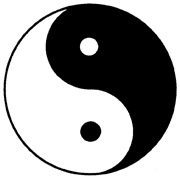
Yin and Yang:Background and Meaning


In the years 2697 to 2595 B.C., Emperor Huang-ti Nei Ching conceived of a circulatory system and internal arrangement that he divided into two basic principles: Yin and Yang.

The Emperor noted that the human body was a duplicate of heaven and earth, and that it performed in a rhythm that promoted perpetual youth and health. He recorded his finding in one of the oldest written works on Oriental healing, which he entitled The Yellow Emperor’s Classic of Internal Medicine. In this scroll the Emperor observed that perpetual youth and health could be achieved by maintaining a proper balance between the two separate elements of yin and yang. He went so far as to list functions, foods and conditions which were either yin or yang in nature, or a slight combination of both. Maintain a balance, noted the Emperor, and the secret of youth and health.

The theory of yin and yang, according to the website Acupuncturetoday.com, is the most fundamental concept of traditional Chinese medicine. One of the major beliefs is that all things in the universe are either yin or yang. However, there are no absolutes: nothing is ever all yin or all yang, but a balance between the two forces. For example, when day changes into night, it is an example of a yang object changing into a yin object; when winter turns into spring; it is considered a changing from yin to yang. These forces are opposite and yet complementary.

Each organ in the body has an element of yin and yang within it. Some organs, such as the liver, are predominantly yang; others, such as the kidneys, are yin. Even though an organ may be predominantly yin or yang in nature, the balance of yin and yang is maintained throughout the body, because the sum total of yin and yang will be in balance.

In traditional Chinese medicine illness is believed to be caused by an imbalance of yin and yang in the body. In an excess of yin, the yang qi would be damaged, leading to the development of a cold disease. Excess of yang will likewise damage yin qi and lead to a heat disease being developed.

Basic treatment of these diseases is aimed at replenishing depleted yin or yang, and it is through this process that the balance of yin and yang is re-established. Traditional Chinese medicine practitioners attempt to determine the exact nature of the imbalance, then correct it through a variety of approaches, including acupuncture, herbal remedies, exercise, and changes in diet and lifestyle. As the balance is restored in the body, so is the person's health.

Labels: , , , , ,

Sauna Detoxification Therapy

With the amount of toxins and environmental contaminants in the modern world, the need for periodic detoxification is evident. Toxins exist everywhere, from our food, soaps and shampoos to the air we breathe and the clothes we wear.

These environmental toxins are suspected of playing a role in a number of diseases, including cancer, arthritis, weakened immune systems, autism, fibromyalgia, cardiovascular diseases, Alzheimer’s disease and many more. The toxins that infest our bodies come from a variety of sources, including industrial pollutants, pesticide residue, food additives and heavy metals. With all these health challenges coming at us every day, the need to detoxify our bodies is obvious.

There are several methods of detoxification, and there is still considerable debate as to which method works best. The first detoxification method is chelation therapy, in which preparations of enzymes are injected into the bloodstream, where they bind with toxins and remove them.

Another popular detoxification method is fasting, either alone or in combination with herbal therapies and mineral preparations. Fasting allows the toxins in the body to be stripped away.

Another popular method of detoxification is the sauna method, in which toxins are removed through heating. One advantage of the sauna method is obvious. The sauna method is the easiest method, and it can be used effectively by just about everyone. In addition, the sauna detoxification method can be used in conjunction with the other methods to make them more effective and useful.

Sweating and sauna baths are an ancient tradition, and one long associated with good health and healing. The tradition of the sauna goes back at least as far as ancient Rome, with the famous Roman baths, and includes such popular and well-known institutions as the Finnish Savusauna, the Sweat Lodge of the Native Americans, the Russian Banya and the Hammam of Morocco. It is obvious from studying history that people have been enjoying the detoxifying effects of the sauna for many years.

In today’s world, there are a great many choices when it comes to sauna and steam treatments and detoxifying programs. There are choices to fit almost any budget, from exotic and expensive built-in home saunas to simple and less expensive portable units. Some saunas use conventional steam, whereas others use heated rocks and still others use modern and efficient infrared heaters. The effectiveness of any sauna detoxification program will depend in large measure on the type of heat that is used and the protocol that is employed.

There are some important differences between a traditional sauna and the type of steam room often found at gyms. Even though a steam room feels hotter because of the high humidity it contains, it is actually harder for the body to sweat in a steam room than in a sauna.

The traditional hot rocks sauna is still quite popular today, but it has begun to lose ground to the modern infrared saunas, which are able to provide benefits like energy efficiency, increased comfort, deeper heat penetration, and better detoxification.

Infrared saunas have been found to produce sweat that has more toxins and other organic compounds in it. As much as 15% of the sweat produced in a typical infrared sauna, for instance, is composed of dissolved fats, toxins and other materials, whereas only about 5%-6% of sweat in the traditional hot rock sauna contains these materials, with the remaining 94-95% being composed only of water.

No matter what type of sauna you choose, there is little doubt that such sauna treatments can be good for the body as well as the soul. Saunas are a relaxing, and very effective way to remove the many toxins that build up through everyday living.

Labels: , , , ,

The Reflexology Technique


Reflexology is one of the most popular and unique forms of alternative healing available today. The term reflexology refers to the application of pressure, movement and stretching to the feet and hands. These pressure points on the extremities in turn effect the corresponding parts of the body. To reflexologists, the feet and hands are a mirror of the body, and these professionals can use their knowledge to break down patterns of stress and pain throughout the body.

There are many theories for how and why reflexology works, but the best approach is often to look at how the nervous system works. When pressure is applied to the feet, this pressure generates a signal which travels through the peripheral nervous system. From there, it enters the central nervous system, and it is then processed in various regions of the brain. After that, the sensation is relayed to the organs of the body, where the necessary adjustments in allocation of resources are made. After all this has occurred, a response is made and sent out to the motor system. That message is then sent forward and used to adjust overall tension level or tone of the body. When applied properly, that tone will reset to a lower level, reducing in a lessening of stress and less strain on the body’s vital immune system.

The reflexology technique is applied to the feet and hands, as every pressure point on the feet and hands is thought to correspond to some part of the body, including organ systems, limbs and torso.

The most obvious benefit of reflexology is the reduction of stress, with all its attendant benefits. Since the feet and hands set the level of tension for the entire body, reflexology uses the feet and hands to interrupt that stress level and reset it. Stress reduction is a vital part of good health, since high stress levels play a role in a number of serious diseases and chronic conditions, among them heart disease, stroke and high blood pressure.

In addition to its usefulness as a stress reliever, reflexology is also being studied as a possible way to treat and prevent other forms of illness. While the usefulness of reflexology in treating and preventing disease is still being studied, its stress relieving techniques alone provide value to any health care plan.

Reflexology is an excellent adjunct to standard medical treatment, and it should never be used as a substitute for the advice of a health care preventative. It is best to use reflexology as a complementary procedure to standard health care screenings.

While it is possible to study the charts and learn to do reflexology on oneself, most people prefer to have regular sessions with a professional reflexologist. Even for those who attend regular professional sessions, however, it is a good idea to learn to do some reflexology on their own. For instance, using this technique on oneself, say at your desk or in the office, is a great way to relieve the stress of a particularly challenging day.

The typical professional reflexology session will last from 30 minutes to one hour, and only the removal of the shoes and socks is required. Some reflexologists use a chair, while others use a table. While some practitioners use oil, most do not.

The relfexologist uses pressure, stretching and movement techniques to work through the foot in a methodical manner. The entire surface of both feet is generally worked in a single reflexology session.

The reflexologist will work within the comfort zone of the patient, as applying too much pressure could be harmful or lead to an injury. It is important for the patient to communicate with the reflexology therapist about the amount of pressure that is desired.

A quality reflexology session should leave one feeling relaxed and well. The effectiveness of a reflexology session can often be measured by how long that feeling of wellness and relaxation lasts.

Labels: , , , , ,

Foot Orthotics

Orthotics: A Short Overview
by: Margo Prior


Orthotics are devices used to correct and treat various foot disorders. They are used to correct imbalances and foot discomfort. A biomechanical complaint (walking imbalance) could be lower back pain, flat feet, pain in your heel, arch, Achilles, shin or knee.

The shoe inserts used for these treatments can be bought over the counter at almost any pharmacy or department store but since these products are used to realign your ankle and foot back into natural alignment, the best type of orthotics would be ones prepared for you by a podiatrist.

There are four types of orthotics when taking into consideration the structure of building these devices for the needs of adults and children: Rigid, Soft, Semi-rigid and Orthotics for Children.

Rigid Orthotics would be used primarily for the function of walking or standing a long time and may be constructed from plastic or some other form of hard material. The device normally is made in a type of mold that is in the shape of the patients’ foot and would encompass their foot when done from the heel to the ball.

Soft Orthotics are used to restore balance, absorb shock and help relieve pain from sore areas. A soft orthotic as its name states is usually constructed out of a soft, pliable material. Often an orthotic device of this nature will need to be replaced much more often than one made of rigid material, but a bonus is that it can be easily adjusted when needed. This type of orthotic is often used for those who have diabetes or those who have some form of foot malformation. Unlike the rigid orthotics, soft orthotics are made more ‘bulky’ in their formation and hence will take up more space in one’s shoes when used.

The Semi-rigid orthotic devices are used for those who are involved in sports primarily. For each athlete and for each sport that athlete is involved in, an individual orthotic is made of soft material with hard plastic placed in appropriate places to fit that individuals needs for that sport. For the athlete these types of orthotics allow the tendons to work more efficiently and allow the athlete to participate in a sport he enjoys without the pain he would normally experience.

Children who have foot malformations are usually put into a form of orthotic as early as possible to help clear up any problems when learning how to walk. Children usually need to have their feet ‘remolded’ and a new set of orthotics made for them once their shoe size has grown 2 sizes past their original orthotics size. The time needed for a child to wear an orthotic device is determined by each case and how severe the malformation is. Once an adult they will usually need to use orthotics for the duration of their lifetime to help retain their balance and keep them from having foot, ankle and back pains.

Labels: , , , ,

Natural Remedies Your Grandmother Swore By


Remember the days of old when Grandmother strapped a warm mustard pack to our congested chests when we had a cold? Or used a warmed tea bag to rid pink eye, a clove of garlic to stop an earache, or prepared a mixture of chaparral and olive oil as a cure for itchy skin? I do.

Distances between townships, limited funds, and the lack of readily available medical professionals and facilities all dictated that a woman be not only a wife, mother, and housekeeper, but doctor as well. Folklore healing practices, curative uses of herbs, and other medicinal “family secrets” were stealthily guarded and passed down from one generation to the next.

Of course, some of yesteryear’s touted cures were not truly cures at all. Superstition and myth “remedies,” without any practical application, crept into the mix. Little by little and through the years, suspicion as to the validity of any natural, herbal remedy began to take root.

For instance, witch doctor type practices such as hanging herbs that resembled tears around a child’s neck to help him cut teeth. “Reading” tea leaves to foretell future love interests, and assertions like placing certain spices under the pillow would improve memory, prejudiced many toward the genuine curative uses of herbs.

That is why some modern day practitioners regard the medicinal use of herbs as “quackery;” nothing more than old-wives tales. There are, however, a growing number of otherwise conventional medical professionals who acknowledge what Grandmother knew all along. Natural, herbal remedies as a means to maintain good health and cure certain diseases are valid. Nature’s drug store is making a comeback.

And why should that be surprising? After all, we — like plants — are organic. It is the synthetic drugs used today that were formulated to mimic their natural counterparts, and not the other way around. In days of old, there was no other way to treat illness and discomfort, help heal wounds, or cure bodily dysfunctions than with natural means.

It was while living in tune with nature and studying wildlife that early man learned of the medicinal “powers” of herbs. Animals bitten by a poisonous snake survived after chewing snakeroot, a wounded bear rolled in mud to better heal and escape infection, and old, rheumatoid deer eased their misery and made joints more limber by resting under the therapeutic rays of the sun.

Nature’s well worked out plan for good health and freedom from disease is observed in animals. It is people who have strayed from nature’s medicine chest to create man-made remedies — some of which are less effective, costly, and riddled with negative side-effects.

By working with, and not against nature, we increase our chance of a more healthy life, while decreasing our risk of disease and premature bodily limitations and dysfunctions.

A wealth of healing resources is there for the taking, if we but open our eyes to the possibilities available.

To highlight this fact, let’s take a look at the multiple medicinal uses of just one herb, commonly regarded as a noxious or disposable weed.

Sometimes found intercropped with corn and wheat in the Midwest United States, common burdock grows wild and vies for the sun and nutrients of the soil. Though routinely overlooked as a native weed, it nevertheless has the potential to gift the bearer greater health and ease skin afflictions when harvested for its root.

In the herbal world, burdock is unsurpassed as a blood purifier. It is also the “king” of herbs in treating chronic skin problems such as eczema, acne, psoriasis, boils, syphilitic sores, and canker sores.

Make a medicinal tea by bringing 1 quart of water to a boil. Reduce heat. Add 4 teaspoons cut, dried burdock root. Cover and simmer for 7 minutes. Remove from heat and let steep for 2 hours. Drink a minimum of 2 cups a day on an empty stomach, or more if problem persists. This concoction can also be made in a larger quantity and used topically to wash affected skin areas as needed.

Mixed with catnip and made into a tea, burdock root is effective in clearing up stubborn kidney and gallstones. Bring 4 cups of water to a boil. Add 2 tablespoons of chopped or cut fresh or dried burdock root. Reduce heat and simmer 10 minutes. Remove from heat. Add 3 teaspoons chopped or cut fresh or dried catnip leaf, and let steep for 1 ½ hours, then strain.

For each cup, add 1 teaspoon lemon juice and ½ teaspoon pure maple syrup or blackstrap molasses (to sweeten). Drink slowly. Follow with 1 tablespoon of pure virgin olive oil 10 minutes later.

Repeat this regimen 3 times a day. The tea helps to sooth irritated tissues, and helps break up or partially dissolve the stones. The olive oil acts as a lubricant to expel them from the body more easily. Important to the success of this remedy; digest no greasy, fried foods, soft drinks, refined carbohydrates (such as white flour or white sugar products), red meat, or poultry during the course of this treatment.

Well-known lecturer, author and medical anthropologist, John Heinerman, Ph. D., of Salt Lake City, Utah, recommends the following: take the last cup of tea and spoonful of oil at night before retiring. Sleep on the right side, and prop a pillow under the armpit. Heinerman says this posture seems to expedite the removal of the stones from the body.

Burdock root ground to a powder, when combined with dried red clover and dandelion root and packed in gel capsules, can help clear up acne and blemishes. Take two a day — morning and evening.

Besides an aid in clearing problem skin when combined with burdock, red clover is also famous as an alternative cancer treatment, and is a natural blood thinner. Dandelion root was hailed as a miracle cure for warts and liver spot remover by the late Will Greer, who portrayed Grandpa Walton on “The Waltons”. In addition, Britain’s licensed medical herbalist, Dr. David Potterton noted that the high insulin content in dandelion root makes it a good sugar substitute for persons who suffer from diabetes mellitus.

Many herbs have medicinal properties. An infusion made from elder-flower and water makes a mild astringent, and can safely be used for eye baths, while chamomile is excellent for eye compresses for inflammation of the eyelids. Garlic is an excellent natural antibiotic, and immune system builder. Cayenne is beneficial for circulation and stomach ailments. In fact, many of the herbs used for culinary purposes are not only great flavor enhancers, but medicinal as well.

Besides herbs, many vegetables and fruits, especially organic, yield health and medicinal benefits. Celery juice is a natural diuretic and useful for persons with rheumatism or for those who want to lose weight. Cabbage has been shown effective in the fight against duodenal ulcers, and is a good source of calcium for those who must avoid dairy products. Radish is helpful for gall-bladder and liver ailments, and spinach improves the hemoglobin of the blood. Beets are excellent for certain conditions of the liver, and for improving blood hemoglobin.

While undeniably health enhancing, natural or herbal remedies should never be used alongside synthetic or prescription drugs without the prescribing doctor’s knowledge. While grapefruit by itself can be effective in reducing high levels of cholesterol, for instance, it isn’t recommended in combination with certain prescribed medications also meant to lower cholesterol. In fact, many cholesterol-reducing medications warn not to consume grapefruit while taking that medication.

Because many of nature’s offerings do have potent medical and health enhancing properties, become knowledgeable about the benefits and cautions of each. Like any medication, increasing concentrations, doses, or mixing one with another for medicinal purposes could be harmful instead of helpful. And mixing natural/herbal remedies with synthetic/prescription medications is not recommended, unless prescribed by a doctor as an enhancement.

Instead of rebelling against nature, we can become more in tune with the gifts endowed by nature. The same health laws that apply to the animal kingdom also apply to man. We have something valuable to relearn from our wild counterparts. By joining hands with nature and embracing the natural we can enhance our health and increase our longevity.

Labels: , , , , ,

Music Therapy


What is music therapy?
Music therapy is the use of music to help restore, maintain and improve the body's overall sense of health and well-being. Music is used in a variety of different ways and structured to suit the client's needs, thus helping to improve physical and mental functioning. One theory for the effectiveness of music therapy is that it distracts the mind from pain and anxiety.

What will music therapy involve?

A music therapist, who is highly skilled and trained, will assess the client's strengths and weaknesses and then decide on their therapeutic goals and objectives, using his/her knowledge of music's effect on behaviour. Some of the activities may involve the use of musical instruments, singing, discussing lyrics, listening and moving to music, composition and music imagery exercises.

Can anyone benefit from this form of therapy?

Yes. Music therapy can benefit a wide range of people. Therapists work in schools, hospitals, hospices, treatment centres and private practices and can help anyone with minor problems, through to more serious illnesses, or physical disabilities like:

*Mental illness

*Physically handicapped people

*Brain injuries

*Learning difficulties
What other benefits does music therapy have?

Music therapy has been known to reduce pain and relieve stress. Research has shown that, along with anti-nausea drugs, music therapy can ease nausea and vomiting experienced by cancer patients undergoing chemotherapy treatment.

Music therapy can reduce the severity of pain when taking painkilling drugs and has, in some cases, allowed patients to reduce the intake of their painkilling drugs.

It can also assist in:

*Improving communication skills

*Improving bad behaviour

*Increasing attention spans

*Strengthening social and leisure skills

*Lowering blood pressure

*Relieving sleeping disorders

*Reducing depression
Although it is not primarily the object of the therapy, a greater appreciation of music may emerge through regular sessions.

Copyright: Jane Grimshaw 2006

Labels: , , , ,

Milk Bath Recipe


by: Mary Sampsel


We all suffer from blotchy skin and blackheads at some time in our life. What we often don't realize is that these annoying skin problems are frequently caused by clogged pores and there is a simple, easy, and healthy remedy.

Cleopatra, often lauded as one of the most beautiful women in history, knew a simple beauty secret that anyone can take advantage of. She maintained her soft skin by taking a milk bath every day.

Milk contains lactic acid, an alpha hydroxy acid that dissolves the “glue” that holds your dead skin cells to your body. The lactic acid that can be found in milk and yogurt acts as a gentle exfoliant.

Exfoliation is the process of removing the top layer of dead skin cells to reveal the softer tissue underneath. If the dead cells are not removed, they tend to clog your pores, which can lead to blotchy looking skin and blackheads. Since the average person creates a new layer of skin every two to four weeks, you can improve your complexion immensely by simply exfoliating on a regular basis.

Making your own milk bath is simple and quick. Add 2-4 cups of milk or buttermilk to a warm bath, soak for 20 minutes or so, and scrub the loosened skin cells away from your body with a washcloth or loofah in soft, circular motions. You will need to be extra gentle with delicate areas of your skin such as your neck and thigh to avoid abrasion burns.

When you are finished, rinse the milk from your body thoroughly with a quick shower and wipe the oils from the tub while they are easy to remove.

After your beauty bath, you may notice your skin is slightly oily. That is normal. It's simply the natural moisturizing effect of the milk. Exfoliating your skin too often can dry it out and the natural oils in milk will help keep your skin moisturized, making your milk bath the perfect beauty treatment for creating supple baby-soft skin

Labels: , , , , ,

Meditation


Definition


The Little Giant Encyclopedia of Natural Healing defines mediation as “training your attention or awareness to bring mental processes under voluntary control.” In the West, meditation is used as a self-help technique to improve well-being by allowing the mind and body to relax and does not require particular religious beliefs.

Types of Meditation

There are many different “schools” of meditation. Two well-known schools are Buddhist meditation and transcendental meditation. Meditation is also an integral part of other mind-body techniques including yoga, qigong, and tai chi, which have gained popularity in the U.S. in recent years.

Buddhist meditation:

Buddhist meditation has been practiced for over 2,500 years in Asia. There are two main branches in Buddhist meditation: tranquility meditation (samatha) and insight meditation (vipassana). Loving-kindness meditation (metta bhavana) is supplemental or complementary to the other forms of meditation.

The basic purpose of samatha meditation is to still the mind and train it to concentrate.

The techniques of samatha meditation are many, some older than Buddhism, others developed after the time of the Buddha. Among the most commonly practiced is anapanasati, or “mindfulness with breathing.”

Attentiveness on the in-going and out-going breath does not call for any interference with the normal breathing, the breath being merely used as a point on which to fix the attention, at the tip of the nostrils. The attention must not wander, even to follow the breath, but must be kept rigidly on the selected spot. In the initial stages it is advisable to mark the respiration by counting, but as soon as it is possible to keep the mind fixed without this artificial aid, it should be discontinued and only used when it is necessary to recall the attention.

Mantra meditation, in which you repeat a few words over and over, is also widely practiced. Followers of this technique may chant “Buddh” as they inhale, and “dho” as they exhale. The words may vary, but the purpose of chanting is really to get the mind focused.

Another widely taught technique is kasinas, where meditators concentrate on an object outside themselves, such as the flame of a candle, or a crystal ball.

The practice of insight meditation — vipassana meditation — centers around the notion of mindfulness. Mindfulness is related to, but different than, concentration. When one is concentrating, one’s entire focus is on the object of concentration in an almost trancelike manner — whether the object is a lotus, one’s own breathing, or a television program. But to be mindful of something is to think about it and observe it carefully. It is not only to focus on a television program, but to comprehend its content. It is not only to block out everything but breathing; it is to observe what the breathing is like and attempt to learn something about it.

Gaining the skill of mindfulness is the first step of insight meditation. The most common methods prescribed to develop mindfulness are:

*walking mindfulness
*sitting mindfulness
*mindfulness of daily activities

Loving-kindness is a central virtue of Buddhism, and metta bhavana meditation is a way of developing this virtue. It is a practice that is seen as supplemental or complementary to other forms of meditation; its purpose is to develop the mental habit of altruistic love for the self and others. It is said to “sweeten the mind.”

Transcendental meditation:

Founded by Maharishi Mahesh Yogi, transcendental meditation is a technique of meditation derived from Hindu traditions that promotes deep relaxation through the use of a mantra. Stressing natural meditation and the liberating pleasures such practices could invoke, the movement's meditation method is believed to help individuals achieve a higher level of consciousness. Brought by Maharishi from India to the West in 1959, transcendental meditation was a distinct subculture within the 1960s youth movement, attracting actress Mia Farrow, cultural philosopher Marshall McLuhan, and the Beatles, who eventually rejected the Yogi's teachings.

How Does It Work?


According to The Little Giant Encyclopedia of Natural Healing it is not clear exactly how meditation works. “Some believe that it enables us to get in touch with our inner beings and draw on this source of inner strength. Others suggest that being able to focus the mind allows for greater productivity in problem solving — we can learn what is and what is not important and what we should or should not be focusing on.”

The book lists various physiological and psychological changes brought about by meditation.

Physiological changes:

*Slowing of the heartbeat
*Slowing of the breathing rate
*Lowering of blood pressure
*Lowering of metabolism
*Change in brainwave frequency to the long alpha waves signifying deep relaxation coupled with mental alertness
*Reduction in cholesterol
*Increased energy
Psychological changes:

*Increased inner calm
*Heightened powers of creativity
*More efficient decision making
*Increased work efficiency
*Decreased mental tension
*Decreased negative emotions
*Increased reactions
*Improved memory
*Health Benefits

Today, meditation is widely accepted as an adjunct therapy for pain reduction and stress management, and is taught and practiced in many hospitals and medical centers throughout the U.S.

A 1998 study in Alternative Therapies showed that mindfulness meditation was part of a program that helped decrease symptoms such as achiness and sleeplessness in patients with fibromyalgia, a disease characterized by muscle pain, fatigue, and mild-to-moderate depression.

In a 1998 study at the University of Massachusetts Medical Center, psoriasis patients who listened to a mindfulness meditation audiotape during their ultraviolet light therapy experienced faster healing than those who had the light therapy alone.

Meditation has also been associated with a longer life span, better quality of life, fewer hospitalizations, and reduced health-care costs. It has also shown promise as an adjunct therapy in relieving mild depression, insomnia, tension headache, irritable bowel syndrome, and premenstrual syndrome (PMS), as well as in controlling substance abuse.

Labels: , , , ,

Medicine in a Patch


An increasing range of medicines is now available in patch form, including nicotine and hormone replacement therapy, the contraceptive pill and a variety of painkillers, such as anti-inflammatories. Some are designed to be worn for just a day, while others will last for up to a week.

The drug is absorbed directly into the bloodstream through the skin and, unlike taking pills orally, this gives a steady dose over a period of time, reducing the risk of digestive side-effects. Patches are also definitely worth a try if you have some difficulty in remembering to take pills.

Labels: , , , , , ,

Magnet Therapy — What Is It?

by: Ria Vervliet


Introduction

Magnet therapy involves the use of a magnetised device placed on or near the body to either facilitate healing or relieve pain.

The magnetic products available today come in many types. They can be attached to the skin, worn as jewellery, placed in your shoes, or slept on. Arthritis, carpal tunnel syndrome, insomnia and headaches are among the list of ailments for which many people claim can benefit from magnet therapy. Although no one is sure how magnets work, supporters claim that they can have a profound effect on the body, particularly in the area of pain relief.

The use of magnets for medical purposes is not new; the ancient Greeks believed that natural magnetic rocks had therapeutic powers. In the sixteenth century a Swiss-born alchemist and physician, Philippus von Hohenheim, purportedly used magnets to draw illness from the body. Over the past decade, magnet therapy has become increasingly popular, especially among professional athletes who use it for aches and pains. Nearly 80 touring golf pros now use some form of magnet therapy for help in relieving muscle soreness, back pain, arthritis, and other ailments. Even so, magnet therapy remains controversial. Scientists have only recently begun the scientific research needed to persuade most mainstream doctors to add magnets to their medicinal arsenals, although the British National Health Service (NHS) has recently (March 2006) recommended doctors to prescribe magnetic knee wraps in preference to drugs.

How Does It Work?

The theory behind magnet therapy is that the fields produced by magnets can affect the functioning of individual cells in the body and improve the working of the nervous system and various organs. Exactly how the magnetic fields do this is unknown, but there are several theories. Some say that the electrical current created by magnets interrupts the transmission of pain signals in the nerves. Others claim magnets increase blood flow to an area, boosting the flow of oxygen and other nutrients, thereby reducing pain and swelling.

What You Can Expect

It is believed that magnets must be placed precisely to have an effect (they work best when placed over a body area that has some degree of intact circulation). Therefore it is best to do magnet therapy under the guidance of a therapist or doctor who is experienced in its use. However, many people choose to use magnets on their own.

If you are trying magnets for arthritis or other types of pain, you may be advised to purchase small magnetic devices that can be secured to the body with elastic bandages, or Velcro.

Depending on how much pain you are experiencing, you might be advised to keep the magnets in place for as little as five minutes or to wear them for a number of hours every day for several weeks. If you are trying magnets to help with insomnia, your doctor may advise using a magnetic pillow or mattress pad.

Health Benefits

Magnet therapy is most often used for pain, usually of the muscles, joints and back. Magnets have also been used to relieve post-surgery pain. Some suggest that magnets can reduce stress, as well as relieve insomnia and treat migraine. Others even claim that magnet therapy can fight infection and improve central nervous system disorders, such as seizures. While research has shown that magnet therapy can indeed relieve pain, there is little solid evidence proclaiming its use for other ailments.

One study, published in the American Journal of Pain Management in 1999, showed that magnetic foot insoles were effective in reducing foot pain in those with diabetes.

How To Choose a Practitioner

Magnet therapy may be practiced by a therapist or doctor, or it may be self-administered. It is best to work with an experienced practitioner who is knowledgeable about the therapeutic use of magnets.

About The Author:
Ria Vervliet has been an holistic practitioner since 1990 and she has trained in many fields such as cranio-sacral therapy, shiatsu, reflexology, reiki, aromatherapy, Bach flowers, crystal healing, psychotherapy, counselling, fytotherapy, TT and nutrition. Ria focuses on the underlying causes of disease rather than treating symptoms alone. She has been a certified therapist since 1996 and has developed an extensive practice dedicated to creating total wellness and self-empowerment based on the body, mind, soul connection.

Labels: , , , ,

Hypnosis and Hypnotherapy


Are you affected by stress or anxiety? Do you sometimes have sleepless nights, or do you suffer from a lack of confidence, self-esteem or motivation? Perhaps you would like to achieve or change something such as lose weight, stop smoking, become a better public speaker or overcome a fear of spiders?

If the answer to any of these questions is yes, then it is highly likely that hypnotherapy will help. You'd be amazed at just what is possible with the power of hypnosis.

According to the Hamlyn Encyclopedia of Complimentary Health there is no single accepted definition of hypnotherapy. But it can be described as a form of psychotherapy which works on the subconscious to change thought and behavior patterns. The word ‘hypnosis’ refers to the trance-like state, somewhere between waking and sleeping, which you enter when you are hypnotized, and ‘hypnotherapy’ is the practice of bringing about healing or facilitating change while under hypnosis.

“Originally, hypnotists believed hypnosis to be a form of sleep and relied on inducing a deep trance in their patients, using authoritarian techniques, where the therapist ‘commands’ you to make the change.

“Modern therapists build up a rapport with their clients which enables them to ‘suggest’ changes. It is now also believed that the depth of trance has no bearing on the treatment. Modern hypnotists use simple techniques to induce a light trance which can have the most amazing results. While in a trance you are much more suggestible and compliant than you would be normally and your mind is more willing to accept new information, but only what you want to hear.

“Consequently, the therapist can make suggestions which you will store in your mind, effectively reprogramming it to accept or reject certain beliefs or patterns of behavior. If you have a fear of spiders, for example, she can suggest that you are no longer afraid of spiders. If you are willing to overcome your phobia, your eager mind will absorb the suggestion and replace the old fear with the new lack of fear. The same can happen with pain. Pain may be a physical sensation, but it is one which registers in the brain. If, under hypnosis, your mind accepts that you do not feel pain, then you will not feel it.

“The mind is incredibly powerful and is inextricably linked to the body. This is demonstrated during a hypnotic trance when breathing, heart-rate and metabolism can be slowed, allergic reactions stopped and pain reduced. Every thought or sensation experienced in the mind shows itself as some physical change in the body and every physical change will have mental and emotional associations. So an emotional problem, such as prolonged and unexplored grief, can cause physical illness and an injured limb can leave mental scars. Hypnotherapists believe that the mind has the power to create any disease and the power to cure it by activating the healing and repair mechanism, which is controlled by the subconscious.

“Hypnotherapy can be used alongside other therapies such as osteopathy or acupuncture to reinforce their benefits. Its success depends on the subject's cooperation with the therapist, but most people who go for hypnotherapy are ready and willing to change.”

According to the Little Giant Encyclopedia of Natural Healing hypnotherapy can be used for the following conditions: alcohol addiction, angina, anxiety, arthritis, asthma, childbirth, dentistry, drug addictions, emotional problems, insomnia, irritable bowel syndrome, migraine, overeating, pain relief, peptic ulcers, phobias, rheumatism, skin disorders, stress.

OTHER RESOURCES:

Hypnosis, Hypnotherapy, and Hypnotherapists
The brain operates in four general states determined by the frequency of the electricity generated by the exchange of chemicals in the neural pathways. The four states include Full Conscious Awareness, the Hypnotic State, the Dream State, and the Sleep State. Read more…

The Effectiveness of Hypnosis
The research literature on hypnosis is extensive. The endorsements of hypnosis for its healing effectiveness continue to mount. In a recent report, it was revealed that a panel of the National Institutes of Health has endorsed the wider use of hypnosis for use in conjunction with conventional medical care. Read more…

Oxford Hypnotherapy
Welcome to Oxford Hypnotherapy. We've been around for a good few years now and have grown to become one of the world's most popular sources of information on hypnosis and hypnotherapy. Read more…

Depression: Seeing the Light with Self-Hypnosis CDs
The Oxford Reference Dictionary says that depression is “a state of extreme dejection often with physical symptoms”. There are, as with anything, different types of this condition which range in duration and severity. Read more…

Labels: , , , , ,

Homeopathic Treatment


Homeopathy is a therapeutic system that seeks to restore the body’s harmony. It stimulates the body’s innate forces of recovery and triggers it to heal itself.

The term is taken from Greek words — homoios meaning “like” and patheia meaning “disease” or “suffering”, and the system works on the principle that “like heals like.” Essentially, what this means is that a substance which, when given to health individuals, produces particular symptoms may be given to help the recovery of a patient whose illness is displaying similar symptoms to those seen in healthy people. For example, we all know that stinging nettles produce itchy, burning skin. Interestingly, someone who is sick and whose illness present itchy, blistering skin may be given homeopathically prepared Urtica urens (a decoction made from stinging nettles) as a remedy.

Correct homeopathic treatment has regard for the whole person and his or her way of life. The assumption is that the body can fight the sickness, so the treatment aims to help stimulate the body to do its natural job. Different treatments are selected for different people, even though they may be suffering from the same disease.

It can be demonstrated in the laboratory that while a large dose of poison kills, a minute dose of the same poison can stimulate the cellular function vital to produce a natural antidote.

Although the principle of curing “like with like” was recognized by Hippocrates back in the fifth century, the origins of the modern system go back to Dr. Samuel Hahnemann, a German physician who lived and worked in the eighteenth century. He discovered that when he took cinchona bark it produced malaria-type symptoms, which he found curious since cinchona (later known as quinine) was the very drug given to treat malaria.

Labels: , , , ,

 
google adwords reklam ktunnel sexsexsexsexsexsexsexsexsexsexsexsexsexsexsexsexsexsexsexsex