alternative health

Friday, February 9, 2007

Night Eating Syndrome


This is a serious disorder, a result of upsets in hormones that regulate sleep, hunger and stress. People with night eating syndrome usually have no desire to eat until the afternoon, then eat most of their calories during the evening and at night, often waking up for high-calorie snacks. They need food to help them sleep. Feeling stressed and depressed is common.

Research suggests it affects 1,5% of all adults and around 10% of obese people. If you think you may have a problem with nighttime eating, get professional help from your doctor.

Labels: , ,

Nail Biting

Stop Nail Biting


In both adults and children, nail biting is a common habit, sometimes stemming from insecurity, boredom, anxiety or excitement. Excessive nail biting results in very weak nails and, in extreme cases, damaged fingers caused by chewing the nail down to the quick — the sensitive skin beneath the nail.

There is no guaranteed cure for nail biting.

In the book The Doctors Book of Home Remedies for Women Dr. Frances Willson, a clinical psychologist, suggests nail paint, available at some chemists, to make your nails taste bad.

“When not in public, wear cotton gloves. That way, you can’t get at your nails,” says Dr. Willson. “Or buy a box of adhesive strips. Wearing an adhesive bandage around the tip of each finger can also act as a deterrent to nail biting.”

Another possible solution, according to the South African Family Medical Adviser, is to find something that occupies your hands when they are idle — a creative hobby such as building model airplanes, painting, knitting or sewing.

With a girl who bites her nails it can be a good idea to appeal to her vanity. Give her a manicure set to make her “nail conscious.”

Standard advice says it takes seven to ten days to break a habit. So give it some time — and encourage yourself.

“When it comes to breaking this habit, I believe that encouragement works better than punishment,” says Dr. Willson. “For many women who bite their nails, a manicure is very encouraging.”

Labels: , , ,

Causes of Morning Sickness

Fifty to 80 percent of women end up with morning sickness during pregnancy. Some just feel a bit sick, others feel incredibly nauseous and some women find themselves vomiting almost every day. Plus, despite the name, it doesn’t exclusively occur in the mornings and can happen at any time of the day. But what’s known about it and why does it occur?

Well, despite instances of morning sickness being a well-known attribute of pregnancy and medical science being highly developed, the exact causes are still unclear. But there are plenty of theories!

One theory is that it could be caused by hormonal changes. Levels of a hormone called human chorionic gonadotrophin (HCG), which are in charge of controlling the production of other pregnancy hormones, are known to rise during early pregnancy. In fact, they peak at 10 weeks and then start to fall again at around 12 weeks — which fits in with the time when women commonly get morning sickness.

Other theories suggest it could be linked to women’s heightened sense of smell during pregnancy, or linked in with the fact that women are going through a range of physiological changes. Either way, morning sickness can be really unpleasant. Thankfully, though, in most cases it clears up, leaving the rest of the nine months nausea and sickness-free.

ALSO ON THIS WEBSITE:


Morning Sickness RemediesMorning sickness can make you feel really rough, especially when it occurs regularly during the early weeks of pregnancy. But if you’re desperate to ease the symptoms, then help is at hand. Not everything works for everyone, but there are practical self-help ways of minimizing the discomfort and easing some of the symptoms. Read more…

Labels: , ,

Migraine Headache: Symptoms, Causes,and Triggers


by: Kristy Law


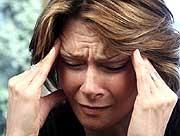
Do you ever feel like you need to put a drill to your head? Do you feel like your brain is twisting and contorting in ways never thought possible? Do bright lights hurt you? Do smells bother you? Do you just want to hide in a dark room with a pillow over your head? If any of this sounds familiar, you probably are one of those poor people that suffer from migraines.

Millions of people suffer from migraines. However, the majority of sufferers are women. The true cause of migraines is not really known. Some people get them due to a previous head injury. Some people get them only certain days of the week and aren't sure why. Some people get them when they eat certain foods. Some people just have no clue why they get them.

If you suffer from migraines, there are certain things that can trigger the migraine attack. Avoiding these migraine triggers can effectively reduce the number of attacks. The first thing most people do when they get a migraine is to take a over the counter medication or a prescription migraine medication. However, it has been shown that doing this often can actually give you more migraines because your body becomes dependent on the medication. This is called rebound migraines or rebound headaches. If you are a woman, it has been widely known that birth control can cause a woman who never had migraines to suddenly have them. This includes oral contraceptives, Depo-Provera, etc. This is because birth control alters a woman's hormonal level. These hormonal fluctuations can trigger migraines. Oftentimes, women have the migraine attacks when they are due for a new Depo-Provera shot or right when they get the shot. This is because of the rapid increase or decrease in hormones. This is the same for oral contraceptives. Many women find that the migraines start at the beginning and at the end of the contraceptive pack. If you happen to have birth control related migraines, you may need to find another method of birth control.

There are also many foods that trigger migraines. This includes: caffeine, processed foods and meats (sausage, pepperoni, bacon, milk, yogurt, cheese, etc.), TV dinners, wine, chocolate, MSG (monosodium glutamate), alcohol, vinegar, certain fruits and juices (bananas, oranges, lemons, limes, grapefruits, etc.), raisins, certain vegetables (onions, pea pods, sauerkraut), Aspartame (NutraSweet), and fresh baked goods that are yeast risen (bagels, doughnuts, soft pretzels, pizza. etc). Keep in mind that not all triggers affect everyone. It is best for you to keep a journal of what you eat each day and see what days you get migraines.

Lastly, some people get migraines on certain days of the week. This is often because of stress or work related issues that cause stress. Many people also get migraines because of lack of sleep or an unstable sleep schedule. Pregnancy can also cause migraine attacks.

If you suffer from migraines, know that there are many who feel your pain. Do some research and work with your doctor to find out what may be triggering your migraine attacks. This way, you can learn to avoid these triggers and perhaps have less migraines. Then you can put that drill away!

Labels: , , , ,

Menopausal Hot Flashes:Causes and Natural Remedies

Is The Heat On? Maybe You’re Having A Hot Flash!
by: Dr. Rita Louise


Hot flashes are characterized by a sudden feeling of heat often accompanied by a reddening of the face and profuse sweating. For some, it is as mild as a brief warm flushing of the face and skin. For others, it is experienced as an intense heat on the face and upper body with intense sweating. Sometimes hot flashes are also accompanied by an increased heart rate, nausea, dizziness, anxiety, weakness or a feeling of suffocation.

Physiologically speaking, hot flashes are the body’s reaction to a decreased supply of estrogen. Typically this occurs when a woman approaches menopause. Every woman’s experience of this important life change is different, unpredictable and highly individual and they all follow their own pattern. In some production of estrogen decreases gradually, producing few flashes. In others, the ovaries stop abruptly or start and stop before production ends completely. For these women, hot flashes can become tricky.

Dropping estrogen levels confuse the hypothalamus (the part of the brain that controls appetite, sleep, sex hormones and temperature), where it makes the body think it is too hot. This activates the body’s heat releasing mechanism where it causes the blood vessels in the skin to expand, increasing blood flow to help dissipate heat. At the same time, the sweat glands begin producing sweat in an effort to cool the body off even more.

Not all women experience hot flashes, but more than half of them do. In fact, it is estimated that nearly 85% of all women in the US experience hot flashes in one way or another. Hot flashes often begin before a woman notices a change in her menstrual cycle and can start as early as her late 30’s and early 40’s. It is typically the first sign that menopause is approaching.

Usually experienced for a short period of time, some women complain of them all the time for a number of years. Most women begin to experience hot flashes 1-2 years before menopause and they end within a year of their last menstrual cycle. Some women can experience hot flashes up to and sometimes more than 5 years after their last menstrual cycle.

While estrogen therapy is the traditional solution to hot flashes it is good to try a less drastic measure first. Below are some things you can try to help reduce the heat of hot flashes.

Recommendations For Wellness

Dress in layers so you can peel off a layer if you start to feel warm.

Stick to cottons, linens and rayon and avoid wools and synthetic blends.

Try to keep some ice water on hand to sip on and cool down your insides.

Turn down the thermostat, buy an air conditioner or a ceiling fan to help keep your environment cool.

Silly as this may sound, many women report sticking their heads in the freezer when a hot flash hits.

Try to identify what is triggering your hot flashes. Keep a record of when they occur, what you are eating or doing and how you'ree feeling at the time a hot flash strikes.

Incorporate massage, meditation, yoga, breathing exercises and other techniques to help you reduce your stress level.

Herbs such as black cohosh, chaste tree, wild yam and don quai have historically been used to relieve menopausal symptoms including hot flashes.

Talk to your health care provider about natural bio-identical hormone replacements.

A menopause homeopathic may also help to alleviate hot flashes, relieve pain and hyper-sensitivity.

About The Author
© Copyright Body, Mind & SoulHealer 2005. All rights reserved. Naturopathic Physician, Dr. Rita Louise, Ph.D. is the author of the books Avoiding the Cosmic 2x4 and The Power Within. It is her unique gift as a medical intuitive and clairvoyant that illuminates and enlivens her work. Let Dr. Louise help you bring health, healing and wholeness back into your life. Medical Intuition & Energy Medicine Certification training classes are now forming. Visit http://www.soulhealer.com or call (972) 475-3393 for more information

RESOURCES


All About Hot FlashesIf you've had one, there's no mistaking it: the sudden, intense, hot feeling on your face and upper body, perhaps preceded or accompanied by a rapid heartbeat and sweating, nausea, dizziness, anxiety, headache, weakness, or a feeling of suffocation. Some women experience an “aura,” an uneasy feeling just before the hot flash, that lets them know what's coming. The flash is followed by a flush, leaving you reddened and perspiring. You can have a soaker or merely a moist upper lip. A chill can lead off the episode or be the finale. Read more…

Hot Flashes: Ease the Discomfort of MenopauseYou're in a meeting. Your forehead dampens with perspiration, and your colleague notes that your face is getting red. As you feel the familiar wave of heat creep through your body, you brace yourself for what's becoming an all-too-common and uncomfortable occurrence. You're having a hot flash. Hot flashes can come on at almost any time — whether it's in the middle of the night or in the middle of the produce aisle at the grocery store. Living with them is another adjustment you may have to make as you approach menopause. Read more…

Labels: , , ,

Malignant Pleural Mesothelioma: Symptoms, Causes,and Diagnosis

Malignant pleural mesothelioma is a rare cancer that develops in the tissues that comprise the lining of a lung (pleura). The majority of individuals who develop malignant pleural mesothelioma have experienced chronic exposure to asbestos during the course of their lives.

“The average age of onset is sixty and the latent period between exposure to asbestos and development of mesothelioma can be up to forty years,” says Dr. Warwick Carter in his book The Complete Family Medical Guide. “It has a very insidious onset, with symptoms little different to asbestosis itself.”

The early symptoms of mesothelioma are generally non-specific, and may lead to a delay in diagnosis, according to the website Mesotheliomaweb.org. “Sometimes resembling viral pneumonia, pleural mesothelioma patients may present with shortness of breath, chest pain and/or persistent cough; some patients show no symptoms at all. A chest x-ray may show a build-up of fluid or pleural effusion. . . The right lung is affected 60% of the time, with involvement of both lungs being seen in approximately 5% of patients at the time of diagnosis. Less common symptoms of pleural mesothelioma include fever, night sweats and weight loss.”

“X-ray changes may not be apparent until the disease is quite advanced,” says Dr. Carter, “and CT scans are more useful in making the diagnosis in suspicious cases. A biopsy of the cancerous area is the only way to make a definite diagnosis.”

Treatment with surgery, drugs and radiation has been tried, but with virtually no success as the cancer is extremely virulent and spreads rapidly. Three quarters of malignant pleural mesothelioma victims die within a year of the diagnosis, and 98% within two years.

Labels: , , , , ,

Magnesium and Magnesium Deficiency

Essential for hundreds of chemical reactions that occur in the body every second, the mineral magnesium has received surprisingly little attention over the years. Recent findings, however, suggest that it has important health-promoting benefits.

Among the world’s leading researchers in the field is Dr. Mildred Seelig, a pediatrician, internal medicine specialist and master of public health who has been studying magnesium for the past 35 years. She wrote with nutritionist Dr. Andrea Rosanoff the volume The Magnesium Factor.

In their book, they stress that magnesium is one of the most important nutrients, but that the majority of people in Western societies suffer from magnesium deficiency. The authors argue that this deficiency is a major cause of both heart disease and diabetes, as well as a significant number of other common ailments which entail a serious risk of dying prematurely.

“The solution to heart disease has been with us all along, and it is nutritional,” according to The Magnesium Factor. “Most modern heart disease is caused by magnesium deficiency. A vast and convincing body of research — largely ignored — has convinced us and many of our colleagues of this fact. The diet of the industrial world is short on magnesium, and this is causing an epidemic of heart disease... The effects of a low intake of magnesium can be worsened by the high levels of fat, sugar, sodium and phosphate in our diets, as well as, ironically, by the use of calcium supplements, which has become widespread because of our awareness of calcium's value for bone health.”

Low magnesium, say the experts, causes heart arrhythmia and is involved in migraine attacks. Many of the studies noted that drugs used in the treatment of asthma cause a loss of magnesium. Research has shown that it can be vital to heart function, and limits muscle damage during a heart attack; relieves bronchospasm (constricted airways) in the lungs; protects hearing from excess noise; improves parathyroid function; benefits sleep; improves the bio-availability of Vitamin B6 and cholesterol; strengthens tooth enamel; helps improve the functioning of the nerves and muscles; and aids regulation of normal heart rhythm.

Do you need magnesium?
Signs include:
Muscle cramps in legs or feet;
Muscle twitches;
Aching muscles;
Migraine headaches;
Dental pain;
Brain ‘fogging’;
Anxiety or irritability;
Restless legs.
Green vegetables such as spinach provide magnesium because the center of the chlorophyll molecule contains magnesium. Nuts, seeds, and some whole grains are also good sources of magnesium.

Although magnesium is present in many foods, it usually occurs in small amounts. As with most nutrients, daily needs for magnesium cannot be met from a single food. Eating a wide variety of foods, including five servings of fruits and vegetables daily and plenty of whole grains, helps to ensure an adequate intake of magnesium.

The magnesium content of refined foods is usually low. Whole-wheat bread, for example, has twice as much magnesium as white bread because the magnesium-rich germ and bran are removed when white flour is processed. The table of food sources of magnesium suggests many dietary sources of magnesium.

Water can provide magnesium, but the amount varies according to the water supply. “Hard” water contains more magnesium than “soft” water. Dietary surveys do not estimate magnesium intake from water, which may lead to underestimating total magnesium intake and its variability.

OTHER RESOURCES:

MagnesiumWhat it is, health benefits, recommended intake, general dosage information, and more.

Magnesium - International Health News DatabaseSummaries of the latest research concerning magnesium.

Labels: , , ,

Lung Cancer: Symptoms, Causes, Diagnosis and Prevention

Lung cancer: A malignant growth, or tumor, affecting one or both lungs.

Introduction
Symptoms
Duration
Causes
Complications
When to consult a doctor
Prevention
Outlook

Introduction

The growth usually starts on the bronchial tubes which carry air to and from the trachea (windpipe). In such cases its medical name is bronchogenic carcinoma. Other terms sometimes used are pulmonary neoplasm (lung tumor) and respiratory cancer.

There are several different types of lung cancer, depending on the cells within the lungs that are affected.

The disease usually appears in middle to old age, and is 15 times more common among cigarette smokers than among those who do not smoke.

Symptoms

A dry irritant cough which at first resembles that of a heavy smoker. Later, yellow phlegm may be coughed up.
Spitting blood more than once in a week. Pure blood may be coughed up, but more commonly streaks of fresh (red) or altered (brown) blood are mixed with phlegm.
Shortness of breath, loss of mass, and a dull continuous pain in the chest or shoulders.
Sometimes the first sign of the disease is a sudden feverish illness which is often mistaken for pneumonia.
Duration

Lung cancer can become irreversibly established before it is detected, because it can take weeks or even months for the symptoms to reveal themselves. Even regular chest X-rays and sputum tests often fail to detect lung cancer at its earliest symptom-free treatable stage.
If the cancer is not treated, it progresses steadily.
Causes

Smoking. Stopping smoking at any time before the disease has started greatly reduces the otherwise high risks.
Air pollution. Lung cancer occurs more frequently in towns than in the country. Prolonged exposure to some industrial dusts (for example asbestos) increases the risk of lung cancer, particularly in smokers.
Complications

The cancer may spread to other parts of the body, most commonly to bone and the brain, and the veins draining the head and arms may become blocked (superior vena cava syndrome).
When to consult a doctor

If any of the symptoms appear.
If the patient’s general state of health causes him or her friends or relatives to think of lung cancer.
Anybody over 35 who has a cough which persists for more than a month should seek medical advice. This applies particularly to smokers or someone who has recently had pneumonia.
Diagnosis

The cancer is diagnosed by chest X-rays, CT scans, sputum examination, and a biopsy of the tumor using a bronchoscope if possible.
Prevention


Keep your lungs healthy!
Do not smoke, and quit smoking if you do. Even in heavy smokers, after five years of non-smoking, the risk of developing lung cancer will reduce to near normal.
Smokers and other high-risk groups should have regular chest X-rays.
Observe industrial safety regulations strictly in working areas where there are harmful dusts such as asbestos.
Outlook

If the disease is detected in its earlier stages it may sometimes be cured.
The outlook, despite treatment by surgery or chemotherapy, is not usually good. Fewer than 20% of all patients with lung cancer survive more than five years from diagnosis. Those with small cell (oat cell) carcinoma usually die within a year. That is why it is vital to stop smoking in order to reduce the risk of lung cancer.

ALSO ON THIS WEBSITE:

A Natural Treatment for Lung Cancer?You won’t find it on the shelf of your local garden center but the natural plant extract called deguelin, used as an insecticide in Africa and South America, appears to prevent the growth of precancerous and cancerous lung cells without harming normal cells. Read more…

Malignant Pleural Mesothelioma: Symptoms, Causes, and DiagnosisMalignant pleural mesothelioma is a rare cancer that develops in the tissues that comprise the lining of a lung (pleura). The majority of individuals who develop malignant pleural mesothelioma have experienced chronic exposure to asbestos during the course of their lives. Read more…

Labels: , , , , , ,

Liver Spots on Your Hands?

Large brown spots on the back of the hands are caused by the aging effects of climate. These spots are often first noticed on the arms and hands, then the face. They also appear, occasionally, on the chest, back, and less frequently on the legs and torso. Called liver spots, but also known as age spots, brown spots, lentigo, and lipofuscin pigment, they particularly affect fair-skinned people who have spent much of their lives in the sun.

Liver spots are a result of your skin trying to protect itself from sun exposure by producing an overabundance of melanin. Melanin is the pigment in your skin responsible for “splotchy” or uneven tanning.

For cosmetic reasons, liver spots can be lightened with skin-bleaching products or removed by freezing with liquid nitrogen (cryotherapy).

If the spots appear on the hands before old age, you should not try to remove them with bleaches or creams. They should be examined by a doctor, as in rare instances they could be malignant.

Labels: , , ,

Leg Vein Removal


Getting Rid of Unsightly Leg Veins


Getting rid of unsightly leg veins with a simple injection has become safer, quicker and cheaper, thanks to a new glycerin solution that makes them disappear without a trace, often in just one session. Best of all, glycerin injections are relatively pain-free — unlike saline injections, which cause so much discomfort that they tend to discourage people from seeking any treatment at all.

In June 2003, Dr. Mitchel Goldman, dermatologic surgeon from San Diego who pioneered the current formula, published results based on his own clinical experiences. After injecting small varicose veins in one leg of each of 13 patients with glycerin and the other leg with STS (sodium tetradecyl sulfate, another superior alternative to saline), Dr. Goldman found that glycerin cleared away veins more quickly and with less temporary bruising, swelling, and discoloration.

According to Dr. Goldman, glycerin works best for small varicose veins — thread veins — about the width of a pencil point. For problem veins up to the width of a pencil itself, STS is still the treatment of choice.

Labels: , , , , ,

Lactose Intolerance: Symptoms, Causes and Management

by: Rachel Newcombe


Being unable to tolerate lactose can play havoc with normal eating habits, but it is something that can be adapted to. But what exactly does lactose intolerance mean, why does it happen and how can you cope with it?

Lactose intolerance is a condition where people are unable to absorb significant amounts of lactose — one of the main sugars found in milk — into their digestive system.

Lactose consists of two sugars which are joined together. To be absorbed properly, it has to be split into the two smaller sugars. An enzyme called lactase, which is present in the small intestine lining, helps perform this split.

If there’s not enough lactase or none at all, the split doesn’t happen. As a result, the lactose ends up being fermented by the bacteria in the large intestine and this causes a range of unpleasant symptoms.

The symptoms of lactose intolerance can be very distressing. They include nausea, stomach cramps and pain, a rumbling stomach, bloating, wind and diarrhea. If food or drinks containing lactose are consumed, the symptoms often come on from between half an hour and two hours afterwards.

If you’re suffering from the symptoms it’s important to get it confirmed by a doctor, rather than trying to self-diagnose, as the symptoms could be due to another underlying condition. Your doctor can do a simple lactose intolerance test, which involves measuring your blood sugar levels before and after drinking a liquid containing lactose. There’s also a similar breath test available, or you might need to have a sample taken for testing from the lining of your small intestine.

There’s currently no definitive cure for lactose intolerance. However, there are ways of coping with it.

One way of coping is to avoid consuming any dairy products, drinks or other foods containing lactose. Although it can be tricky, it’s manageable by reading food labels carefully or checking the ingredients of foods if you’re eating out. It’s also possible to cope with it through taking enzyme tablets when you eat or drink. These help replace the lactase that your body isn’t producing and helps your digestive system.

Lactose is often hidden in lots of foods where we wouldn’t necessarily expect it to be, such as ham, gravy, pizza, bread and even sherbet. This can make it hard for lactose intolerance sufferers, as they have to be on the ball and ready to spot it.

Lactose intolerance can develop at any time, even if you’ve been in perfect health previously. Many people, for example, become lactose intolerant after they’ve suffered a bout of diarrhea. The lining of the small intestine can become damaged, which reduces the production of lactase. Others who’ve had major surgery, such as on the bowel or stomach, or suffer from Coeliac disease, can also be prone to being lactose intolerant.

Labels: , , , , , , ,

Kidney Stones

What is a kidney stone?

Kidney stones are hard, stone-like masses, formed out of crystals found in the urine.

A stone may stay in the kidney or break loose and travel down the urinary tract. A small stone may pass all the way out of the body without causing too much pain. A larger stone may get stuck in a ureter, the bladder, or the urethra. A problem stone can block the flow of urine and cause great pain.

Researches have proved that kidney stones are no modern ailment; the remains of a 7,000-year-old mummy revealed that even the ancient Egyptians suffered from them.

Causes of kidney stones

Doctors still don’t know exactly what causes a kidney stone to form.

More than 90% of individuals with kidney stones have a chemical abnormality of blood or urine that contributes to the tendency to form the stones.

At one time, it was believed that certain foods caused people to develop kidney stones. Recent findings, however, suggest that foods may promote the formation of kidney stones in those who are susceptible, but it doesn’t seem that particular foods have any bearing on the formation of kidney stones in a person who is not susceptible. People who have a family history of kidney stones are more likely to develop them.

Not drinking enough water or other fluids may also contribute to forming stones. Inadequate fluid intake causes the kidneys to produce less urine, as well as urine that is highly concentrated. The smaller the daily volume of urine, the more likely it is that a person would form kidney stones.

The truth of the matter is that kidney stones may form for a variety of reasons: urinary tract infections, kidney disorders and certain metabolic disorders such as hyperparathyroidism have all been linked to the formation of kidney stones. Seventy percent of those who suffer from renal tubular acidosis, an unusual hereditary disease, develop kidney stones and the condition is most prominent in men, from ages 40-70. Women get stones less frequently than men, but occasionally they do occur, usually around the age of 50.

The most common kidney stones are calcium-based and related to a condition known as hypercalciuria, an inherited condition which causes stones when calcium is consumed in excess. Some other causes can include cystinuria and hyperoxaluria (two rare, inherited disorders of the metabolism), hyperuricosuria (a disorder of the uric acid metabolism), gout, excess intake of Vitamin D, blockage of the urinary tract (as in urethral stricture disease), and some diuretics. Even calcium-based antacids have been known to cause problems in some people.

Additionally, people with chronic inflammation of the bowel or those who have had an intestinal bypass surgery or ostomy operation may be at risk, as well as those who take a protease inhibitor known as endeavor, which is commonly used to treat HIV related infections.

One thing that is known: once a person gets a kidney stone, he is more likely to develop more of them in the future.

Types of kidney stones

1. Calcium phosphate stones are common and easily dissolve in urine acidified by vitamin C.

2. Calcium oxalate stones are also common but they do not dissolve in acid urine.

3. Magnesium ammonium phosphate (struvite) stones are much less common, often appearing after an infection. They dissolve in vitamin C acidified urine.

4. Uric acid stones result from a problem metabolizing purines (the chemical base of adenine, xanthine, theobromine [in chocolate] and uric acid). They may form in a condition such as gout.

5. Cystine stones result from a hereditary inability to reabsorb cystine. Most children's stones are this type, and these are rare.

Symptoms of kidney stones

While kidney stones don’t always cause symptoms, most of the time they do. The first symptom of a kidney stone is usually extreme pain. Kidney stones block the flow of urine and pain occurs when the stones try to shift and move. This causes a sharp, cramping pain, usually in the back and side in the area of the kidney or in the lower abdomen, and may be accompanied by a blood-tinted urine. Occasionally nausea and vomiting will accompany the pain and the patient may experience the need to urinate more. However, when they do go to urinate, they may experience a pressure and burning sensation. If there is a presence of fever or chill, though, this suggests that there may be an infection and one should seek a doctor immediately.

Kidney stone treatment

Fortunately, surgery is rarely necessary for the removal of kidney stones and most usually pass naturally. Drinking 2-3 quarts of water per day may help to flush out the system.
When a person cannot pass the stone through the urine, however, there are treatments available to remove or crush them, including:

• Inserting a small instrument through the urethra (the tube through which a person passes urine from the body) to “snare” the stone and remove it.

• Shock wave lithotripsy, whereby the stone is crushed. Once the stone is crushed, a person can pass the smaller pieces.

• Surgery.

Kidney stone prevention


• Drink more liquids. Drinking 8-10 glasses of liquid each day helps to keep the urine dilute, which reduces the concentration of stone forming minerals in the urine. At least half of the liquid should be water; the other liquids could be any beverages you like.

• Reduce the amount of salt you eat.

• Be sure your diet contains adequate amounts of calcium.

• Avoid those foods which can increase the amount of oxalate or uric acid in the urine: chocolate, anchovies, rhubarb, caviar, greens, herring, berries, scallops, peanuts, mussels, asparagus, organ meats (liver, kidneys, brains), tea, meat, extracts, broth, bouillon, consommé.

• Cranberry is known to help some people develop fewer kidney stones.

Labels: , ,

Interstitial Cystitis: Symptoms and Signs

by: Tina Samuels


Interstitial cystitis (IC) is a chronic and debilitating disease of the urinary tract and bladder that affects approximately one million people. There is an inflamed and irritated bladder wall that leads to many bladder symptoms. The bladder wall of an IC patient will have stiffening and scarring of the bladder, less bladder capacity as a result of the scarring, small pinpoint bleeding on the bladder (glomerulations) and ulcers in the bladder lining (Hunner’s ulcers).

So much isn’t known about the illness, even though it has been around for a while now. This article deals with the signs and the symptoms of interstitial cystitis. A general guideline for interstitial cystitis is from the National Institute of Diabetes and Digestive and Kidney Diseases (NIDDK), and although it has come under fire and scrutiny as it doesn’t incorporate all of the prevailing symptoms and has some things included as an exclusion that some people with IC do indeed have, it is meant as a oversee of the illness and not a conclusive.

NIDDK Research Definition of Interstitial Cystitis

Inclusion Criteria
1. Cystoscopy — glomerulations and/or classic Hunner’s ulcer.
2. Symptoms — bladder pain and/or bladder urgency.

Exclusion Criteria
1. Bladder capacity greater than 350cc on awake cystometry.
2. Absence of an intense urge to void with the bladder filled to 100cc during cystometry using a fill rate of 30-100cc/min.
3. Demonstration of phasic involuntary bladder contractions on cystometry using the fill rate described in number 2.
4. Duration of symptoms less than 9 months.
5. Absence of nocturia.
6. Symptoms relieved by antimicrobials, urinary antiseptics, anticholinergics, or antispasmodics.
7. Frequency of urination while awake of less than eight times a day.
8. Diagnosis of bacterial cystitis or prostatitis within a 3-month period.
9. Bladder or ureteral calculi.
10. Active genital herpes.
11. Uterine, cervical, , or urethral cancer.
12. Urethral diverticulum.
13. Cyclophosphamide or any type of chemical cystitis.
14. Tuberculous cystitis.
15. Radiation cystitis.
16. Benign or malignant bladder tumors.
17. Vaginitis.
18. Age less than 18 years.

This is a research definition only (for inclusion of patients in clinical trials) and is not necessarily applicable to diagnoses made in clinical practice. The major difference in the less stringent Interstitial Cystitis Database (ICDB) inclusion criteria for the diagnosis of IC is that cystoscopy (and its related diagnostic criteria) is an optional criterion for entry into the ICDB study. The rigid urodynamic exclusion criteria in the NIDDK definition do not exclude patients from an ICDB IC diagnosis.

The symptoms and signs of interstitial cystitis are varied and not every IC patient will have all of them. It is a difficult illness to pinpoint and this is meant only as a guideline to some of the symptoms that the interstitial cystitis patient may have.

1. Pelvic and perineal pain and pressure.
2. Urinary frequency: over 8 times/day; average is 16 times/day; can be up to 60 times/day.
3. Nocturia (excess urination at night).
4. Urinary urgency: urge not relieved by voiding.
5. Over 9 months of symptoms.
6. Dyspareunia (painful ).
7. Hematuria (blood in urine).
8. Symptoms worsen during menstruation.
9. Diminished bladder capacity.
10. and scrotum pain and pressure.
11. Dysuria (pain on urination).
12. UTI (Urinary tract infection) symptoms that do not improve upon antibiotic treatment.

50% of IC patients will have pain while riding in a car or with any prolonged sitting function; 63% are unable to work full time. Perhaps the most staggering statistic of IC is that interstitial cystitis patients are 3-4 times more likely to commit suicide than those who do not have the illness and that they rank below kidney dialysis patients in quality of life. So please, if you have any of the above mentioned signs or symptoms, get to an urologist. This diagnosis takes approximately 7 years to receive, usually through trial and many errors. Get checked, get tested, and get back on tract with your life.

Labels: , , , , , ,

Insomnia Help & Remedy


Good Night! Sleep Tight!
by: Dr. Jan Strydom


Do you have trouble going to sleep at night? If so, you should certainly do something about it, as sound, restful sleep is as important to us as food, air and water.

Sometime in your life you may have difficulty sleeping. Many people do. Anyone can suffer from insomnia, although sleeping problems are more common among women, the ill, the elderly, smokers, and alcoholics. Sleep problems are, however, surprisingly common among young people. While it is not an illness and is in no way life-threatening, insomnia can be very distressing, frustrating, exhausting, depressing and at worst it can make you feel like you're going crazy.

The bad news is that there are probably millions of people all over the world who have this problem. The good news is that, if you are one of these, you can certainly do something about it. You can cure yourself, in your own time and at your own pace.

My first and most important advice is that you should stay away from sleeping pills and alcohol. A drugged sleep is never a restful sleep.


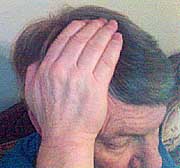
Second, there is a very helpful technique that I would advise you to apply on a regular basis. You may apply this technique while, for example, watching TV or while reading. Put you right hand (note that it must be the right hand) on your head, as shown in the accompanying photograph. Note that the four fingers must be held together, while the thumb must be held apart. You need not press hard, just hold the hand comfortably on the head in the position shown. Sit with the hand like this for at least 20 minutes at a time. If you find that your arm and shoulder tire quickly, you may rest your elbow on something for support. For example, if you sit at a table reading you may rest your elbow on a stack of books. Depending on the severity of your sleep problem, the technique should be repeated from 2 to 4 times every day.

Furthermore, calcium is well known as a promoter of sound sleep. I therefore suggest that you make sure that you take enough calcium on a daily basis. About 1000 mg of calcium, taken towards or during the early evening will be found helpful. Because it calms the nerves, about 500 – 600 mg of magnesium, taken at the same time as the calcium, will also contribute towards good, sound sleep.


My fourth suggestion is that you should go to bed at the same time every night and rise at the same time every morning. Your bedtime should definitely be before eleven o’clock, and you should rise well before seven every morning.

Good night, sleep tight, and may the fleas you plenty bite!

Copyright 2005: Dr Jan Strydom

Labels: , , ,

Help for IBS (Irritable Bowel Syndrome)

Irritable Bowel Syndrome Diet Guide

by: Kathryn Whittaker

One in five Northern Americans has irritable bowel syndrome (IBS), which makes it one of the most common disorders diagnosed today. Irritable bowel syndrome usually hits the person around age 20 and is more common among women than in men.

Irritable bowel syndrome is actually a disease, although doctors consider it a functional disorder. However, even though the syndrome can cause considerable pain and discomfort, it does not actually damage the digestive system.

Irritable bowel syndrome disturbs the normal functions of the colon, particularly how the muscles in the intestines work, causing a lot of embarrassment and pain. Irritable bowel syndrome does not cause internal bleeding, but may worsen a medical condition if you already have one.

No one really knows why certain people develop IBS. Researchers believe that people with Irritable bowel syndrome have sensitive colons that react to aggravating foods and certain emotional conditions, most commonly, to stress, conflict, or upsets. Antidepressants are often used to relieve stress-related irritable bowel syndrome symptoms. Some doctors link colon sensitivity to weak immune systems.

No cure has been found yet for irritable bowel syndrome. Your doctor might prescribe fiber supplements or occasional laxatives to ease constipation, as well as medicines to help with diarrhea, or drugs that calm down abdominal pain, but careful eating is the most important step in reducing irritable bowel syndrome symptoms. Many irritable bowel syndrome sufferers can successfully control their symptoms with simple diet changes. Quite often, when you increase your fiber intake, irritable bowel syndrome symptoms are relieved.

Eating more fiber can be easier than you think. Whole grain breads and cereals, fruits, and vegetables are both delicious and rich in healthy fiber. Fiber-rich diet results in regular bowel movements and better colon cleansing. However, fiber will make you feel worse if you have pain or diarrhea because high-fiber diets may cause some discomfort at first, but do not panic. You simply need a few days to adjust to the new diet. Positive changes take time if your colon is more irritated than normally.

When starting fiber-rich diet, stick to plain foods like white rice, plain unflavored oatmeal, rice cereal, pasta, peeled potatoes. Incorporate insoluble fibers carefully by blending fresh fruit with soy or rice milk making delicious and nutritious cocktails. You can always add vegetables into soups or pasta sauces. Grilled, not fried, fish filet or low-fat chicken breast goes well with your pasta or rice. Eat fruits and vegetables as much as possible. To increase fiber intake, drink psyllium or flaxseed dissolved in water, such as Citrucel or Metamucil.

In general, try eating foods that are low in fat and high in carbohydrates, such as whole grain pasta and breads, unprocessed (not quick-cooking) rice and cereals. Avoid food that is high in fat, insoluble fiber, caffeine, coffee, carbonation, or alcohol.

When relieving irritable bowel syndrome symptoms through dietary means, you should keep your water intake at a maximum. Water prevents dehydration, especially if you have diarrhea. Drink plain water. Carbonated drinks, such as sodas, may result in increased levels of gas and cause pain in the abdomen.

Irritable bowel syndrome may require you to change the way you eat your meals. Big portions of food can cause cramping and diarrhea. To prevent these occurrences eat smaller portions and plan your meals so that you eat more frequently. Less food requires less effort from your bowels, so the message is to eat little and often.

When following these simple diet guidelines people can start living a normal, happy, outgoing life. Diarrhea and pain should reduce in just a few days. Constipation, however, can take several weeks to relieve, but it is worth persevering. Besides, you will look and feel healthier, too!

About The Author:
Kathryn writes articles on a number of different topics. For more information on IBS please visit http://www.irritablebowelsyndromeguide.info and for additional articles on Irritable Bowel Syndrome http://www.irritablebowelsyndromeguide.info/ibs-articles.

ALSO ON THIS SITE:

Irritable Bowel Syndrome (IBS): Symptoms,Causes, and TreatmentSometimes it’s called the angry gut. That’s because if you have irritable bowel syndrome (IBS), your insides often stir up a fuss. Your digestive tract roils, rumbles and pushes out wind. You may suffer from frequent diarrhea, diarrhea alternating with constipation or just constipation. Usually, you have abdominal pain. And it’s also likely that you’ll experience flatulence and bloating. Read more…

Labels: , , ,

What Are the Symptoms of Hypothyroidism?

by: Deanna Couras Goodson


Hypothyroidism is a disease in which the thyroid does not produce enough thyroid hormone. There are many reasons for this to occur. Most commonly, it is due to an autoimmune disorder, called Hashimoto’s thyroiditis, in which antibodies attack the thyroid, gradually making it inactive.

Since hypothyroidism, unless it’s brought on by a trauma to the neck area or a cancer, takes place gradually, it is often difficult to determine the symptoms of the disorder. Of course, the symptoms that define this disease read like a who’s who of a variety of medical problems including depression fibromyalgia, chronic fatigue syndrome and many other diseases of the immune system, commonly referred to as autoimmune diseases.


Here are some common symptoms of this disease:

Fatigue
Weakness
Weight gain or difficulty losing weight while on a reduced calorie and exercise program
Hair loss
Dry, brittle, lackluster hair
Dry, flaky, or rough-feeling skin
Sensitivity to cold, especially in the extremities
Muscle cramps and aches. Frequency may vary.
Depression
Memory loss or mental ‘fog’
Irritability
Constipation
Abnormal menstrual cycle (for women)
Decreased libido (for both sexes)
Difficulty conceiving or fertility problems (for women)
Feelings of hopelessness, worthlessness or uselessness
Exhaustion despite having slept
Of course, if an individual has also been diagnosed with the related disorders of fibromyalgia, or chronic fatigue, they are more likely to develop hypothyroidism on top of that other disorder, making it even harder to distinguish between the two.

Females, especially over the age of 35, are prone to developing this disorder. Obese people and individuals with a family history of hypothyroidism and/or other autoimmune diseases are also at risk.

However, there are a few symptoms, usually occurring after the disease has progressed a bit, which are clearly thyroid-related. Those are:

Low basal body temperature. Basal temperature, which is taken under the armpit, is believed to be a truer indicator of body temperature. Those with thyroid disease tend to be consistently below the normal level of 98.5.
Swollen thyroid gland or goiter.
Hoarse or gravelly voice, especially without the coexistence of a sore or strep throat.
If you have more than two or three of the symptoms from the first list and at least one or two from the bottom list, one can safely suspect that they are hypothyroid and should contact their doctor to have the appropriate tests done.

Labels: , ,

Hypoglycemia: Symptoms,Causes and Diagnosis

Hypoglycemia: Low Blood Sugar
by: Gabe Mirkin, M.D.


If your doctor tells you that you suffer from hypoglycemia, he must then tell you the cause because low blood sugar is the result of something going wrong in your body. It is not a cause.

Your brain gets more than 98 percent of its energy from sugar in your bloodstream. There is only enough sugar in your bloodstream to last about three minutes, so your liver constantly releases sugar from its cells into your bloodstream. But your liver can store only enough sugar to last 12 hours at rest, so it must manufacture new sugar from protein and other energy stores.

When blood sugar levels drop, you may feel anxious, shaky, sweaty, hungry, a tingling in your skin or your heart may beat rapidly. More severe symptoms include confusion, a sensation of warmth, weakness or fatigue, loss of memory and in its extreme, seizures and passing out. As you suffer repeat attacks of low blood sugar, they affect you less and your symptoms lessen.

There are two types of low blood sugar. First, when your blood sugar rises too high, causing your pancreas to release a large amount of insulin that drops your blood sugar too low, and second, a slow drop in blood sugar caused by your liver running out of stored sugar. Doctors used to think that insulin-induced hypoglycemia follows meals and that your liver running out of sugar doesn't follow meals, but they now know that both types can occur any time.

It is almost impossible to diagnose hypoglycemia by drawing blood after you suffer an attack of dizziness, weakness or fainting because your body produces adrenaline immediately and raises blood sugar levels to normal before your doctor can draw blood. It can be diagnosed by feeding you lots of sugar and measuring your blood sugar level every half-hour for several hours. If you indeed suffer from hypoglycemia, your doctor then has to find a cause, which might include liver damage, an inadequate amount or excess of many different hormones, tumors or glandular abnormalities.

About The Author
Dr. Gabe Mirkin has been a radio talk show host for 25 years and practicing physician for more than 40 years; he is board certified in four specialties, including sports medicine. Read or listen to hundreds of his fitness and health reports at http://www.DrMirkin.com

OTHER RESOURCES

Hypoglemia: Symptoms, Causes and Treatment on Medicinenet.comHypoglycemia is the clinical syndrome that results from low blood sugar. The symptoms of hypoglycemia can vary from person to person, as can the severity. Classically, hypoglycemia is diagnosed by a low blood sugar with symptoms that resolve when the sugar level returns to the normal range. Read more…

Hypoglycemia at MayoClinic.comHypoglycemia is a condition characterized by an abnormally low level of blood sugar (glucose), your body's main energy source. Hypoglycemia is commonly associated with diabetes. However, a wide variety of conditions, many of them rare, can cause low blood sugar in people without diabetes. Like fever, hypoglycemia isn't a disease itself, it's an indicator of a health problem. Read more…

Hypoglycemia DietHypoglycemia is the term for a blood glucose level that is lower than normal. When foods are digested in the body, they are broken down into many nutrients. These nutrients are absorbed into the bloodstream to be used in performing various body functions. One of these nutrients is glucose, a sugar that provides fuel to the body. Read more…

Labels: , , , , ,

Hypertension?

Natural Ways to Lower Your Blood Pressure


Although in most cases hypertension is symptomless, in severe cases it can cause headaches, shortness of breath, dizziness and visual disturbances. Anyone who experiences any of these symptoms should see their GP immediately.

There are plenty of non-pharmacological measures you can take to lower your blood pressure, or prevent it from becoming too high. The British Hypertensive Society recommends:

losing excess weight
taking regular dynamic physical exercise (such as a brisk 20-minute walk each day)
increasing your daily intake of fruit and vegetables (7 portions a day)
limiting your alcohol intake.

Labels: , , ,

Hyperhidrosis: Causes and Treatments


Sweating is a natural phenomenon necessary for the regulation of an individual's body temperature. The secretion of sweat is mediated by a portion of our vegetative nervous system (the sympathetic nervous system). In some people, approximately 1% of the population, this system is working at a very high activity level, far higher than needed to keep a constant temperature. This condition is referred to as hyperhidrosis.

Hyperhidrosis, which may be caused by health conditions such as hormonal imbalance, overactive thyroid or sweat glands, can literally leave a person dripping in sweat. And it’s not restricted to one area — it can affect the armpits, hands, feet and forehead, making life extremely unbearable for those who suffer from this condition.

Thankfully there are treatments for hyperhidrosis in the form of surgical procedures or prescription antiperspirants. For those who have a bit of extra cash there is also the option of Botulinum Toxin (Botox). Yes, the same Botox that leaves you with the never-ending “surprised” look and pouty lips! Injections into the affected area, particularly the armpits, can reduce or even stop sweating for 3-7 months as it blocks the chemical transmitter that causes sweating.

Labels: , , , ,

Symptoms of Hormone Imbalance in Women


Symptoms of hormone imbalance in women may begin as early as the late 20's to the 40's. Symptoms of hormone imbalance in women tend to increase as a woman ages, especially if ignored in the earlier years. Hormone imbalance symptoms can be any one or more of the following:


Allergy symptoms
Depression, fatigue and anxiety
Endometriosis
Fibrocystic breasts
Hair loss and facial hair growth
Headaches, dizziness and foggy thinking
Low sex drive
Osteoporosis
PMS
Urinary tract infections and incontinence
Uterine fibroids
Weight gain, water retention and bloating
Wrinkly skin

Symptoms of hormone imbalance are caused primarily by the incorrect relationship between progesterone and estrogen levels in the body. The two female hormones, estrogen and progesterone, exist in a delicate balance. Variations in that balance can have a dramatic effect on your health, resulting in symptoms of hormone imbalance. The amounts of these hormones that the woman's body produces from month to month can vary, depending on factors such as stress, nutrition, exercise and most importantly — ovulation or the lack of ovulation.

In the first 10-12 days of the menstrual cycle, only estrogen is produced in the female body. If ovulation occurs, then progesterone is produced by the ovaries. On day 28 or so, levels of both hormones drop, resulting in menstruation. However, if ovulation did not occur, you can still have the menstrual period, but the estrogen is never “balanced” by progesterone, which needed ovulation to trigger its production. And this results in symptoms of hormone imbalance appearing — you have estrogen but progesterone production drops to very low levels.

In the industrialized countries, women take birth control pills, are exposed to household chemicals at home, car exhaust and other environmental xenoestrogens. In addition, women often have stressful lives, eat processed foods or skip meals, take synthetic estrogen HRT (hormone replacement therapy) and have hysterectomies. All these factors can add more estrogen to the female body, resulting in excess estrogen which will cause hormone imbalance symptoms.

How can a woman tell if she is experiencing hormone imbalance symptoms? An easy, fast and effective way is to take the online test at http://www.safemenopausesolutions.com for early signs of menopause and symptoms of hormone imbalance in women. The online test takes just a few minutes and is free. Learn more about your health, symptoms, what the symptoms are telling you and what to do about it based on your answers to important questions. Read more about hormone imbalance, estrogen dominance symptoms and physician-recommended natural treatments for eliminating the symptoms of hormone imbalance.

About The Author:
Olinda Rola is President of InfoSearch Publishing and webmaster of http://www.safemenopausesolutions.com

RESOURCES:

Hormonal Imbalance, PMS, Perimenopause, and Menopause SymptomsHello. This is an important page for many reasons. First, take a look at the list of PMS, perimenopause and menopause symptoms at the left. Did you ever imagine hormonal imbalance could wreak such havoc on your body? It’s all the more disturbing if you reported any of these common symptoms to a medical professional and were dismissed with a raised eyebrow or a wave of the hand. Read more…

You May Be Suffering From Hormonal ImbalanceIt began as some minor bloating the day before my menstrual period started. Then came the headaches. Finally, a few days of minor discomfort turned into something that I had to plan my schedule around because of my symptoms. I was not alone. Jane* suffered from backaches and headaches so severe that she had to take off from work. Susan developed cravings for sugary and salty foods and began having breakthrough bleeding — bleeding mid-cycle. These symptoms have been classified as PMS — premenstrual syndrome. Frequently dismissed by doctors as “normal” hormonal fluctuations and scoffed at on bumper stickers and advertisements; PMS has become widely accepted. Read more…

Labels: , , ,

 
google adwords reklam ktunnel sexsexsexsexsexsexsexsexsexsexsexsexsexsexsexsexsexsexsexsex